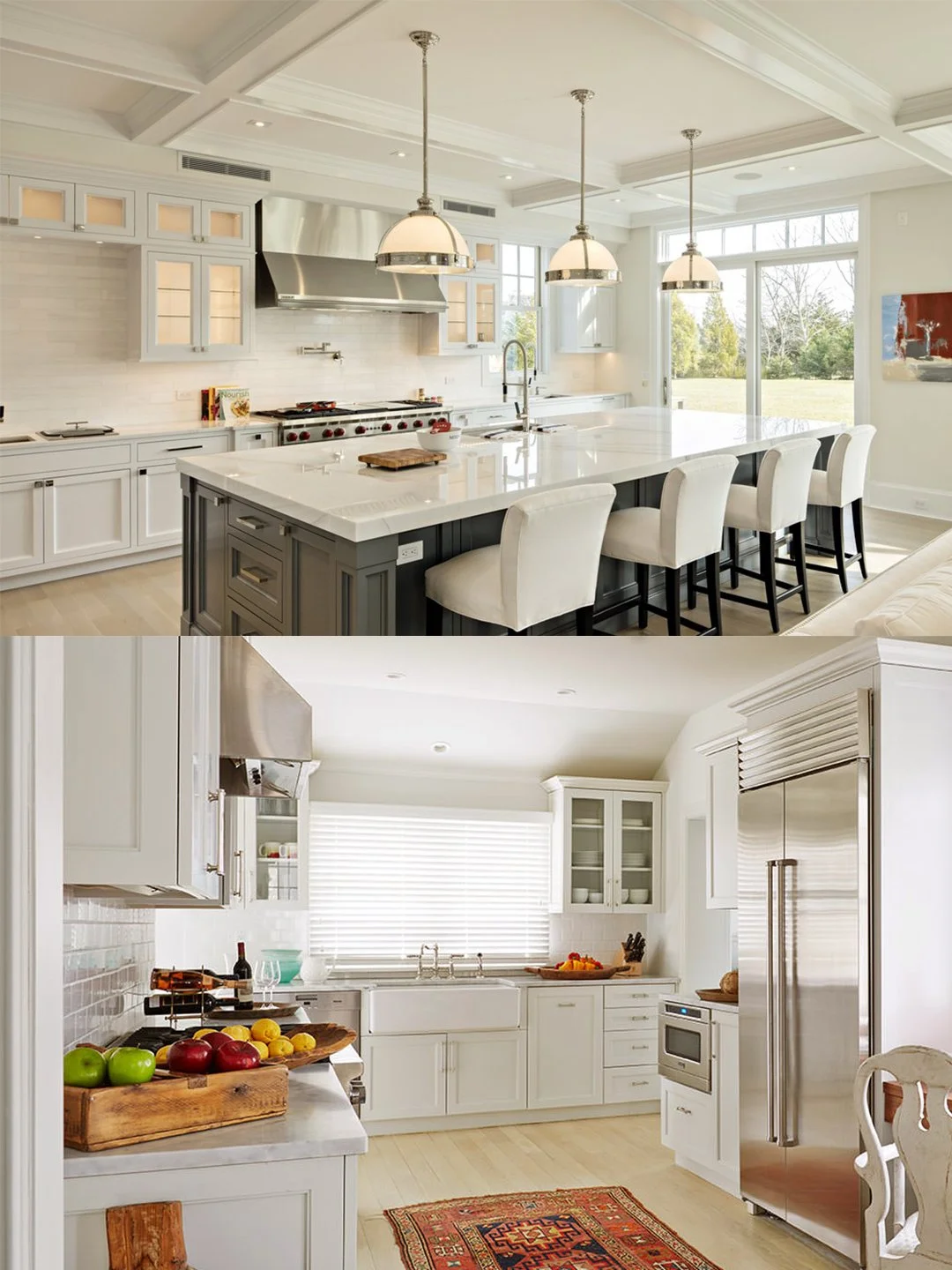
The kitchen storage locker industry is undergoing a root shift, particularly in the kingdom of”young” kitchen cabinets those studied for modern, moderate, and multifunctional spaces. While orthodox cabinetwork focuses on enduringness and unaltered esthetics, the next generation of young kitchen cabinets is redefining functionality through innovative materials, smart engineering, and sustainable design. This clause explores the cutting-edge trends reshaping this recess, with a focus on on how these advancements are thought-provoking conventional soundness about kitchen cabinetry.
The Rise of Ultra-Lightweight Materials
One of the most unquiet innovations in youth kitchen cabinets is the adoption of radical-lightweight materials. Traditional cabinets rely on solid state wood or MDF, but Bodoni font designs more and more use engineered wood composites, bamboo, and even recycled impressible. According to a 2023 study by the Woodworking Network, the worldwide commercialise for jackanapes kitchen cabinets is projected to grow at a CAGR of 12.7 through 2028, driven by demand for eco-friendly and space-saving solutions.
This transfer is particularly guiding light in municipality lofts and small apartments, where weight simplification is indispensable for biological science integrity. However, the trade-off between lightweight materials and lastingness remains a controversial write out. While bamboo and engineered wood volunteer same strength to orthodox materials, some consumers vex about long-term wear underground. Manufacturers are responding by incorporating loanblend materials combine jackanapes cores with durable veneers to address these concerns.
Key Advantages of Ultra-Lightweight Cabinets
- Space Optimization: Ultra-light cabinets allow for deeper boxershorts and more entrepot in fast spaces.
- Ease of Installation: Reduced angle simplifies DIY projects and professional person installations.
- Sustainability: Bamboo and recycled materials reduce carbon paper footprints compared to solid wood.
Smart Technology Integration
Another revolutionary prospect of young kitchen cabinets is the desegregation of ache engineering science. Unlike orthodox cabinets, Bodoni designs now boast IoT-enabled features such as touch down-sensitive handles, machine-driven lighting, and even sound-controlled boxershorts. A 2023 account by Grand View Research indicates that the hurt kitchen locker market is unsurprising to reach 1.8 one thousand million by 2030, motivated by rise demand for connected home solutions.
However, the borrowing of smart engineering in inset cabinets s faces substantial challenges. Privacy concerns and compatibility issues with existing home systems are John R. Major hurdle race. For instance, some ache locker systems need dedicated hubs, which can step-up installment complexity. Despite these obstacles, manufacturers are investing heavily in development plug-and-play solutions to streamline integrating.
Emerging Smart Features
- Biometric Locks: Fingerprint or facial nerve recognition for procure access.
- Automated Ventilation: Drawers that open to better airflow.
- Integrated Appliances: Hidden compartments for small appliances like toasters or blenders.
Sustainable and Modular Designs
Sustainability is no longer an facultative boast in youth kitchen cabinets. Modular, reconfigurable designs allow users to adapt their kitchens as needs transfer, reducing run off compared to orthodox, set layouts. According to the Ellen MacArthur Foundation, the flyer economy in kitchen cabinetwork could save up to 80 of materials by 2030 if wide adoptive.
Yet, the push for sustainability faces underground from consumers who prioritise aesthetics and affordability. Many high-end brands still rely on non-recyclable materials, and standard systems often come with high direct costs. However, the cu is incontrovertible, as junior generations increasingly demand eco-conscious products. This shift is not just about materials but also about design modular cabinets often feature strip lines and minimalist aesthetics, likeable to the ontogenesis minimalist front.
Benefits of Modular Cabinets
- Customization: Users can rearrange cabinets to suit evolving needs.
- Reduced Waste: Only necessary components are manufactured.
- Longevity: Modular systems can be upgraded over time.
Challenging Conventional Wisdom
Traditional kitchen cabinets have long been outlined by their lastingness and dateless appeal. However, the rise of young kitchen cabinets is forcing a reevaluation of these assumptions. While solidness wood and MDF continue dominant, the commercialize is speedily shift toward whippersnapper, smart, and property alternatives. This passage is not just a fad it reflects a broader discernment shift toward minimal art, technology, and situation responsibility.
For manufacturers, this means adapting to new expectations. For consumers, it substance embrace conception while left over timid about trade-offs like lastingness and cost. The time to come of kitchen cabinetwork lies not in resisting transfer but in embracing it whether through ultra-lightweight materials, hurt integrating, or standard designs.
Key Takeaways for the Industry
- Material Innovation: Invest in whippersnapper and sustainable alternatives.
- Technology Adoption: Develop user-friendly smart features.
- Consumer Education: Highlight the long-term benefits of modular designs.
- Regulatory Compliance: Ensure ache cabinets meet secrecy and safety standards.
In ending, the phylogeny of youth kitchen cabinets represents a substitution class shift in the manufacture. By leverage extremist-lightweight materials, hurt technology, and property plan, manufacturers can meet the demands of modern consumers while thought-provoking the conventions of traditional cabinetry. The time to come of kitchens is not just about store it s about tidings, adaptability, and sustainability.