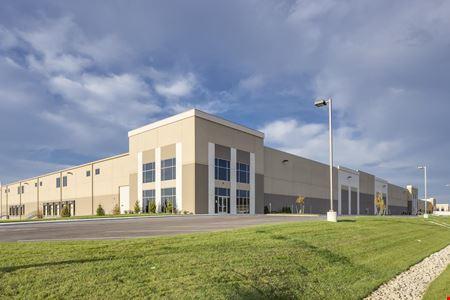
Property Manager in Las Palmas: Maintaining Properties to High Standards

Las Palmas, the capital of Gran Canaria in the Canary Islands, is not only a vibrant cultural and economic hub but also a highly desirable location for residential and commercial real estate investments. With its attractive climate, coastal lifestyle, and a growing expat community, the demand for well‑managed properties is on the rise. In this dynamic market, the role of a property manager is essential—not just for handling routine tasks, but for ensuring that properties are maintained to high standards that protect long‑term value, enhance tenant satisfaction, and comply with local regulations.

1. Defining the Role of a Property Manager

A property manager acts as the operational backbone between property owners and tenants. They are responsible for overseeing the daily functions that keep a building running smoothly—this includes tenant relations, financial oversight, legal compliance, marketing, and, crucially, property maintenance. Property managers help owners maximize their investments while minimizing risk and stress.

In Las Palmas, where property values are influenced by tourism trends and local housing demand, maintaining a property to high standards is especially important. A poorly maintained property can quickly lose value, deter quality tenants, and lead to legal liabilities. A competent property manager ensures these risks are minimized through structured systems, vigilant oversight, and proactive care.

2. Routine Inspections: The Foundation of High Standards

One of the most powerful tools in property management is regular property inspections. These are not superficial walkthroughs but structured evaluations of the property’s interior and exterior condition. Inspections help managers identify issues—such as plumbing leaks, electrical wear, cracks in walls, pest concerns, or landscaping deterioration—before they escalate into major structural or safety problems.

Routine inspections usually involve:

  • Checking structural features such as roofs, foundations, and balconies

  • Assessing plumbing, electrical and HVAC systems

  • Examining tenant use areas for signs of misuse or damage

  • Verifying that common spaces (lobbies, gardens, staircases) meet cleanliness and safety expectations

Regular review and documentation help maintain the property’s aesthetic and operational standards, which keeps tenants happy and preserves value for owners.

3. Coordinating Maintenance and Repairs

A property manager’s relationship with trusted contractors and vendors is vital. Whether it’s routine landscaping, elevator servicing, or emergency plumbing repairs, having reliable, skilled technicians ensures that work is completed efficiently and to a high standard.

This includes:

  • Scheduling preventative maintenance routines

  • Coordinating repairs quickly upon tenant requests

  • Monitoring contractor performance

  • Negotiating service contracts with cost‑effective pricing

By enforcing quality control and following up on completed tasks, property managers make sure that maintenance work upholds the highest standards—protecting both residents and property value.

4. Preventative vs. Reactive Maintenance

A key difference between average and superior property management lies in preventative maintenance. Rather than waiting for issues to arise, skilled managers anticipate wear and tear, schedule pre‑emptive servicing (such as HVAC check‑ups before summer), and keep detailed maintenance logs.

Preventative strategies:

  • Seasonal servicing of major systems

  • Regular checks on heating, ventilation, and air conditioning

  • Annual repainting or exterior cleaning

  • Pest control schedules

This approach not only reduces emergency repair costs, but also demonstrates a professional level of care that builds tenant trust.

5. Financial Management and Budget Oversight

Maintaining a property to high standards requires financial discipline. Property managers are responsible for budgeting, rent collection, allocation of maintenance funds, and financial reporting for owners. Transparent financial records let owners understand how their assets are performing and where funds are being invested to sustain quality.

Key financial tasks include:

  • Collecting rent and managing arrears

  • Preparing monthly/annual financial statements

  • Tracking maintenance expenses and forecasting future costs

  • Budgeting for long‑term capital improvements

By controlling costs while ensuring high‑quality upkeep, property managers protect profitability while safeguarding the property’s condition.

6. Legal and Regulatory Compliance

Las Palmas, like all regions in Spain, has specific laws regarding property use, safety standards, building codes, and tenant rights. A property manager must be well versed in these legal frameworks to ensure compliance and avoid penalties.

This includes:

  • Making sure safety certifications (such as electrical compliance) are up to date

  • Handling lease agreements in accordance with Spanish landlord‑tenant law

  • Ensuring that maintenance practices comply with environmental and community regulations

Staying current with updates to regulations is essential to protecting owners and tenants alike.

7. Tenant Relations and Customer Service

Property maintenance isn’t just about bricks and mortar—it’s about people. A tenant’s perception of management is shaped by responsiveness, communication, and the quality of their living or working environment. A administrador de comunidades en las palmas who communicates clearly, addresses maintenance issues promptly, and handles disputes professionally fosters loyalty and reduces turnover.

Good tenant management practices include:

  • Fast response to maintenance requests

  • Regular communication about inspections or scheduled works

  • Establishing clear procedures for reporting issues

  • Handling conflicts or complaints diplomatically

Satisfied tenants are more likely to renew leases, take good care of their environment, and recommend the property to others.

8. Marketing, Tenant Screening and Retention

Part of maintaining high standards is attracting quality occupants. Effective marketing ensures that vacancies are filled quickly and with tenants who respect the property’s condition. Property managers craft engaging listings, show units professionally, and conduct thorough tenant screening—including background checks and credit reviews.

Once good tenants are in place, it’s critical to promote retention through:

  • Maintaining a safe, attractive living environment

  • Being responsive to tenant needs

  • Offering lease renewal incentives

Reducing turnover protects revenue and ensures consistent care of the property.

9. Embracing Technology for Better Management

Modern property management leverages technology—software platforms for maintenance scheduling, tenant communication portals, and digital accounting systems help streamline operations. These tools ensure that nothing is overlooked, that tenants can easily log requests, and that managers can track tasks and performance in real time.

Technology also improves communication, transparency, and responsiveness—key elements in maintaining high standards.

10. Enhancing Property Value and Investment Potential

The ultimate goal of a property manager in Las Palmas is not just to maintain a property, but to enhance its value over time. Well‑kept properties command higher rents, draw better tenants, and appreciate more steadily. A proactive manager contributes directly to long‑term asset growth and investment success.


Maintaining a property to high standards in a market like Las Palmas requires a combination of attention to detail, professional coordination, legal awareness, and a deep commitment to tenant satisfaction. With the right property manager in place—armed with expertise, systems, and a proactive mindset—property owners can enjoy peace of mind, stable returns, and properties that stand out in quality and performance.

Comfort Meets Community in the Heart of Cairo by Renting in Maadi

Imagine stepping into a world where leafy boulevards, friendly greetings in half a dozen languages, and the distant sparkle of the Nile define day-to-day life. Rent in Maadi—which perches just south of downtown Cairo—offers exactly that. It’s a place that feels both welcoming and refined, where every apartment search becomes part of a journey toward finding a genuine sense of home.

Why Maadi?

For many newcomers—especially expats, diplomats, and creative professionals—Maadi resonates as Cairo’s “closest thing to the West.” It strikes a rare balance: a vibrant cultural scene anchored by tranquillity. The streets hum with the low chatter of local and international coffees, laughter spills from community cafés, and the gentle rustle of old trees tells you this place values peace.

As one resident put it, “It’s a really calm place and the closest you can get to the west inside Cairo… walkability and greenery… and the dogs and Nile, of course.” This sense of calm and cosmopolitan vibe makes Maadi feel like a small village inside the vast urban landscape around it.

3 Rental Types

When it comes to renting, Maadi offers a wealth of options tailored to varied lifestyles and preferences:

  • Studios & 1‑Bedroom Flats: Neatly designed and often found in tree-shaded mid-rise buildings. Starting from around 7,000 EGP and up to 12,000 EGP monthly, they’re perfect for students or individuals seeking fuss-free spaces. Many are equipped with central air, security systems, and functional kitchenettes.

  • 2–3 Bedroom Apartments: A go-to for couples or roommates. These apartments typically include open-plan living spaces, balconies, and sometimes shared rooftop areas. Prices range from 14,000 to 30,000 EGP per month, influenced by location and amenities.

  • Villas, Duplexes & Penthouses: Speak luxury? Maadi’s upscale pockets—like Sarayat or Degla—boast private villas, garden-floor flats, duplexes with terraces, and Nile-view penthouses. Features often include private pools, gardens, gyms, and concierge/security services. Rents range from 50,000 EGP to well over 100,000 EGP monthly.

What Makes Renting in Maadi Special?

  • Green & Peaceful: Unlike most of Cairo’s hustle, Maadi remains shady, quiet, and walkable. Whether on a morning jog or an evening stroll, you’re likely to pass other people walking dogs, chatting or browsing local markets.

  • Secure & Sociable: Apartments often feature gated entrances or 24/7 guards. Combined with tight-knit residential pockets, this atmosphere speaks safety and friendliness.

  • Expat‑Friendly Vibe: International schools, embassies, cafés where English and Arabic coexist, and neighbors from across the globe. It’s easy to feel at home—even if you’re far from it.

  • Convenient Transit: Three metro stations along Line 1, minibuses, taxis, and even water taxis on the Nile ensure easy access to downtown, New Cairo, and beyond.

  • Amenities Galore: With supermarkets, clinics, gyms, daycare centers, and boutiques all within reach, daily errands are easy—and enjoyable.

Smart Renting Tips

  1. Clarify Needs: Studio, flat, villa—what’s right for your stage and budget?

  2. Plan a Tour: Visit a few units to feel out different streets and building vibes.

  3. Negotiate: Especially on longer leases or unfurnished deals—landlords often sweeten deals.

  4. Understand Contracts: Ask about deposit terms, utility charges, maintenance responsibilities.

  5. Agent or Direct: Both work—agents save time but cost more; going direct might land better rental terms.

Final Word: More Than a Roof Overhead

Renting in Maadi isn’t just about securing a roof—it’s about discovering a way of life. It’s waking up under the shade of old trees, sipping coffee in international cafés, building friendships across cultures, and ending the day with a sunset walk by the Nile.

If you’re seeking a rental that speaks to both your heart and your needs, Maadi doesn’t disappoint. It blends calm and convenience, global and local, style and soul—drawing residents into a story where every address feels like home.

How Real Estate Agencies Help With Rental Property Management

As a rental property owner, you’re likely no stranger to the myriad tasks involved in managing your investment. From finding quality tenants to handling rent collection and property maintenance, it can be overwhelming. That’s where real estate agencies come in – they can take the reins, allowing you to focus on what matters most. But just how do they help, and what specific services do they offer to make your life easier? By exploring the ways agencies support rental property management, you’ll discover the key to maximizing your rental income and property value, and unlocking a more stress-free investment experience.

Marketing and Advertising Expertise

When it comes to attracting potential renters, effective marketing and advertising are crucial in getting your rental property noticed in a crowded market.

You need a strategy that highlights your property’s best features and appeals to the right audience. That’s where a real estate agency’s marketing and advertising expertise comes in.

They’ll help you create an eye-catching online listing, complete with high-quality photos and detailed descriptions. They’ll also advertise your property on popular rental websites and social media platforms to reach a wider audience.

A real estate agency will also help you create a competitive pricing strategy, based on their knowledge of the local market.

They’ll analyze data on similar properties in the area to determine a fair and attractive rent. Additionally, they can provide guidance on how to stage your property to showcase its best features and make it more appealing to potential renters.

Tenant Screening and Selection

Find the ideal tenant for your rental property by leveraging a real estate agency’s tenant screening and selection expertise.

You’ll get access to a comprehensive process that ensures only reliable and responsible tenants occupy your property. This process typically involves thorough credit checks, employment verification, rental history reviews, and criminal background checks.

By doing so, you’ll significantly reduce the risk of renting to problematic tenants who might damage your property or default on rent payments.

A real estate agency will also help you create a tenant profile that outlines your ideal renter’s characteristics, such as income requirements, credit score thresholds, and rental history expectations.

This profile serves as a guide for the agency’s screening process, ensuring that only tenants who meet your criteria are presented to you for approval.

With a real estate agency handling tenant screening and selection, you can rest assured that your rental property is in good hands.

You’ll save time, reduce stress, and increase your chances of finding a quality tenant who’ll take care of your property.

Lease Administration and Renewal

A well-crafted lease is the backbone of a successful landlord-tenant relationship, and a real estate agency’s lease administration expertise ensures that all aspects of the lease are properly managed.

When you work with a real estate agency, they’ll handle the preparation and execution of the lease, ensuring it complies with local laws and regulations.

They’ll also facilitate the signing process, making sure you and your tenant are on the same page.

The agency will also keep track of lease expiration dates, sending you reminders when it’s time to renew or renegotiate.

They’ll work with you to determine the best course of action, whether that’s increasing rent, making changes to the lease terms, or finding a new tenant.

By handling lease administration, you’ll avoid costly mistakes and ensure a smooth transition when the lease is up.

With a real estate agency handling lease administration, you can focus on other aspects of your rental property investment, knowing that this critical task is in good hands.

Rent Collection and Accounting

As you focus on growing your rental property investment, timely rent collection and accurate accounting are vital to maintaining a healthy cash flow.

Real estate 名古屋 不動産 売却 take care of rent collection, ensuring you receive payments on time. They’ll also set up a system for tenants to make online payments, reducing the likelihood of late or lost checks.

The agency will also handle accounting tasks, such as tracking income and expenses, preparing financial statements, and providing you with regular updates on your property’s performance.

This helps you stay informed and make data-driven decisions about your investment. They’ll also ensure compliance with tax laws and regulations, saving you from potential penalties and fines.

By outsourcing rent collection and accounting to a real estate agency, you’ll free up time to focus on other aspects of your business, while having confidence that your finances are in order.

With accurate financial records and timely rent collection, you’ll be better equipped to grow your rental property portfolio and achieve your investment goals.

Property Maintenance and Repairs

Your rental properties are your most valuable assets, and keeping them in top condition is crucial to attracting and retaining quality tenants, maintaining their value, and maximizing your returns.

A real estate agency can help you with property maintenance and repairs, ensuring that your properties remain attractive and functional. They’ll handle routine maintenance tasks, such as plumbing, electrical work, and HVAC repairs, as well as coordinate more extensive projects, like renovations and remodels.

The agency will also establish a network of trusted vendors and contractors, so you don’t have to spend time finding reliable professionals. They’ll obtain multiple quotes, negotiate prices, and oversee the work to ensure it’s done correctly and efficiently.

Additionally, they’ll handle emergency repairs, like leaky roofs or burst pipes, quickly and effectively, minimizing downtime and reducing the risk of further damage. By outsourcing property maintenance and repairs to a real estate agency, you can focus on other aspects of your investment while knowing your properties are in good hands.

Conclusion

You’ve taken a significant step in maximizing your rental income and property value by outsourcing rental property management to a real estate agency. By handling marketing, tenant screening, lease administration, rent collection, and property maintenance, they’ll free up your time and reduce your stress levels. Now, you can focus on other aspects of your investment, knowing your property is in good hands.

Florida Real Estate A Guide to Vacation Rentals

As you consider investing in a Florida vacation rental, you’re likely aware of the potential for lucrative returns, but you may not know where to start. From navigating complex local regulations to finding the perfect property, there are many factors to consider. You’ll need to research specific laws and permits, identify your target audience, and manage your property effectively to attract and retain guests. But with the right guidance, you can turn your investment into a thriving business. So, what’s the first step in turning your vision into a reality?

Understanding Local Regulations

When venturing into Florida real estate rentals, understanding local regulations is crucial to avoiding costly mistakes and ensuring a smooth experience for both landlords and tenants.

You’ll want to familiarize yourself with the specific laws and ordinances in the area you’re interested in, as these can vary significantly from city to city.

For instance, some cities have strict rules about short-term rentals, while others have more relaxed laws.

You’ll need to research and comply with regulations regarding permits, licenses, and taxes.

In Florida, you’ll need to obtain a vacation rental license and collect and remit sales tax on rental income.

You’ll also want to ensure you’re meeting health and safety standards, such as providing working smoke detectors and adhering to pool safety regulations.

Additionally, you should be aware of any local noise ordinances, pet restrictions, and parking regulations that may impact your rental property.

Finding the Perfect Property

Frequently, finding the perfect property in Florida sustainable living with Tesla Homes rentals can make all the difference in securing a profitable and stress-free investment.

You’ll want to consider several factors to ensure you’re making a smart purchase. Start by identifying your target audience and the type of vacation rental they’re looking for. Are you catering to families, couples, or solo travelers? This will help you narrow down the location, size, and amenities you’ll need.

Next, research popular areas and neighborhoods that align with your target audience’s preferences. Look for properties with proximity to local attractions, beaches, and amenities like restaurants, grocery stores, and public transportation.

You should also consider the property’s condition, age, and potential for renovation or updates. Additionally, factor in the property’s potential for seasonal or annual rental income, as well as any Homeowners Association (HOA) fees or restrictions.

Managing Your Vacation Rental

You’ve finally found the perfect Florida real estate rental property, and now it’s time to think about managing it effectively.

As a vacation rental owner, you’ll need to handle everything from guest communication to cleaning and maintenance. You can either manage the property yourself or hire a property management company to do it for you.

If you decide to go solo, be prepared to invest time and effort into responding to inquiries, booking reservations, and collecting payments. You’ll also need to ensure the property is clean and ready for each new guest.

You’ll also need to establish a system for handling emergencies, such as a burst pipe or lost keys. Having a plan in place will help minimize stress and ensure your guests have a positive experience.

Additionally, you’ll need to stay on top of local regulations and taxes, as well as maintain accurate financial records. By being proactive and organized, you can ensure your vacation rental runs smoothly and generates a healthy income.

Marketing Your Rental Effectively

To attract a steady stream of guests, you need to showcase your Florida real estate rental property in its best light.

High-quality photos and virtual tours are essential for capturing the attention of potential renters. Make sure they’re well-lit, in focus, and highlight the property’s best features.

You should also write an accurate and detailed description of your property, including its amenities, layout, and location.

Next, you need to decide where to list your property.

Popular vacation rental websites like Airbnb, VRBO, and HomeAway are great places to start.

You can also advertise your property on social media platforms and local classifieds.

It’s essential to keep your listings up-to-date and respond promptly to inquiries from potential guests.

Maximizing Your Investment Returns

As you navigate the world of Florida real estate rentals, maximizing your investment returns becomes a top priority.

You’ve invested a significant amount of time and money into your property, and now it’s time to reap the benefits. To do this, you’ll need to focus on optimizing your rental’s performance.

First, you’ll want to set a competitive nightly rate. Research your competition and adjust your pricing accordingly. Don’t be afraid to experiment with different rates during peak and off-peak seasons.

Next, focus on minimizing vacancies by maintaining a clean and attractive property. This will help you attract more bookings and reduce turnover times.

You should also consider hiring a property management company to handle day-to-day tasks, such as cleaning and maintenance. This can help reduce your workload and increase your rental’s overall efficiency.

Conclusion

You’ve made it to the final step in your Florida vacation rental journey! Now that you’ve navigated local regulations, found the perfect property, and mastered management and marketing, it’s time to reap the rewards. With your rental up and running, focus on providing exceptional guest experiences to drive repeat business and positive reviews. By doing so, you’ll maximize your investment returns and enjoy a successful, stress-free venture in Florida’s thriving vacation rental market.

  Key Trends in Edwardsville  IL Commercial Real Estate for 2025

As Edwardsville, Illinois, continues to evolve, its commercial real estate market is experiencing significant growth and transformation. The city, located just outside St. Louis, has steadily gained attention as a prime location for both investors and businesses looking to expand or establish a presence. With its prime location, strong economy, and excellent quality of life, Edwardsville is positioning itself to be one of the most sought-after real estate markets in the region for 2025. In this article, we’ll dive into some of the key trends that are shaping Edwardsville’s commercial real estate landscape in the near future.

1. Rise of Mixed-Use Developments

One of the most exciting trends in Edwardsville’s commercial real estate market is the rise of mixed-use developments. As the demand for more vibrant and walkable communities grows, developers are increasingly focusing on projects that combine residential, retail, and office spaces in a single development. These mixed-use complexes offer a variety of amenities and conveniences, making them attractive to both businesses and residents.

For businesses, mixed-use developments provide an opportunity to tap into a built-in customer base from surrounding residential units, which leads to more foot traffic and visibility. For residents, these developments offer the convenience of living, working, and shopping in close proximity, reducing the need to travel long distances for daily needs. Edwardsville is seeing a growing number of these developments in its downtown and surrounding areas, making it an even more desirable location for both commercial real estate investors and potential tenants.

2. Focus on Sustainability and Green Buildings

Sustainability is no longer just a trend—it’s becoming the norm in commercial real estate. In Edwardsville, the push for environmentally conscious developments is gaining momentum. As businesses and tenants become more eco-conscious, there’s a growing demand for green buildings that feature energy-efficient technologies, sustainable materials, and environmentally friendly design elements.

Developers in Edwardsville are responding to this shift by incorporating green building practices into new commercial projects. For example, you might see office buildings and retail spaces equipped with solar panels, rainwater harvesting systems, and energy-efficient HVAC systems. These buildings not only reduce their environmental impact but also lower operational costs, making them more appealing to tenants who are focused on sustainability. As Edwardsville continues to grow, the demand for green buildings will only increase, making it a key trend in the market for 2025 and beyond.

3. Expansion of Retail Spaces and Experiential Offerings

While e-commerce continues to dominate the retail landscape, brick-and-mortar stores are far from extinct. In fact, retail spaces in Edwardsville are evolving to meet the demands of modern consumers. Instead of just offering products, retail spaces are becoming more focused on providing unique, immersive experiences that encourage customers to visit in person.

In Edwardsville, we can expect an expansion of retail spaces that feature experiential offerings, such as interactive showrooms, entertainment venues, and specialty stores that provide more than just products. Businesses are also increasingly incorporating technology into their retail spaces, offering features like virtual reality experiences, interactive displays, and personalized customer experiences. For example, fitness studios, culinary experiences, and art galleries are likely to be integrated into retail developments, providing visitors with a full experience that encourages repeat visits.

As consumer preferences shift towards experiences over products, Edwardsville’s commercial real estate market is adapting to these changes by offering more dynamic and engaging retail spaces in 2025.

4. Increased Demand for Office Space with Flexible Layouts

The COVID-19 pandemic reshaped the way businesses approach workspaces. Remote work and hybrid models have become the norm for many companies, and this shift has had a significant impact on the demand for office space. In Edwardsville, there is a growing trend toward flexible office layouts that can accommodate a variety of work styles, from traditional offices to coworking spaces.

In 2025, Edwardsville is expected to see an increase in demand for office spaces that offer flexibility and adaptability. Businesses are looking for spaces that can accommodate a mix of remote workers and in-office teams, with options for private offices, collaborative areas, and meeting rooms. This trend is being driven by the desire for office environments that foster creativity and collaboration while providing employees with the option to work remotely when needed.

Developers are responding to this demand by creating office spaces with flexible layouts and amenities that cater to the modern workforce. This includes offering coworking spaces, high-speed internet, and on-site amenities like fitness centers and cafes. With the rise of the gig economy and freelance workers, flexible office space is set to become a key component of Edwardsville’s commercial real estate market in 2025.

5. Industrial commercial real estate edwardsville il Growth

As Edwardsville’s commercial real estate market evolves, industrial properties are experiencing a surge in demand. The growth of e-commerce, coupled with the city’s strategic location near major highways and St. Louis, has made Edwardsville an attractive hub for logistics and distribution companies.

In 2025, the industrial real estate market in Edwardsville is expected to continue its upward trajectory. Warehouses, distribution centers, and fulfillment centers are in high demand as businesses look to streamline their supply chains and better serve the growing consumer base. Edwardsville’s proximity to major transportation routes and the St. Louis metro area makes it an ideal location for companies in the logistics and manufacturing industries.

For commercial real estate investors, the industrial sector in Edwardsville presents an opportunity for long-term growth, as demand for space in this sector shows no signs of slowing down. This growth is likely to bring about new development projects, including the construction of larger warehouses and distribution centers that can accommodate the needs of expanding businesses.

6. Emphasis on Community-Centered Developments

As the Edwardsville community continues to grow, there is a noticeable shift towards community-centered commercial developments. Developers and city planners are focusing on creating spaces that prioritize the needs of the community, with an emphasis on walkability, public amenities, and local businesses.

In 2025, we can expect to see more mixed-use projects that include parks, public gathering spaces, and community-focused retail and service offerings. These developments are designed to foster a sense of community while providing businesses with the opportunity to connect with local customers. By prioritizing walkability and public space, Edwardsville is creating commercial real estate developments that not only serve as business hubs but also as community centers where residents can socialize, shop, and work.

7. Growing Focus on Health and Wellness-Oriented Properties

The health and wellness industry is booming, and Edwardsville is no exception. In 2025, there will be an increased focus on commercial properties that cater to this growing trend. This includes the development of fitness centers, wellness spas, medical office buildings, and healthy food outlets within commercial spaces.

As consumers continue to prioritize health and wellness, businesses are seeking commercial spaces that align with these values. Developers are incorporating wellness-focused features into office spaces, such as on-site gyms, outdoor areas for exercise, and healthy dining options. These health-conscious developments are not only catering to the growing demand for wellness-oriented services but also attracting a workforce that prioritizes a healthy lifestyle.

Conclusion: Edwardsville’s Bright Future in Commercial Real Estate

Edwardsville, Illinois, is quickly emerging as a hotbed for commercial real estate growth, and 2025 is set to be an exciting year for the market. With trends like mixed-use developments, sustainability, flexible office layouts, and a focus on community-centered spaces, Edwardsville is positioning itself as a dynamic and forward-thinking market for both investors and business owners.

As demand for retail, office, industrial, and wellness-oriented spaces continues to rise, Edwardsville’s commercial real estate market will remain an attractive option for those looking to invest in a growing and thriving city. Whether you’re a seasoned investor or a business owner looking for new opportunities, Edwardsville offers a wealth of potential, making it an exciting place to watch in the coming years.