Unlocking the Potential: The Benefits of Blockchain Technology

Blockchain technology, often associated with cryptocurrencies like Bitcoin, has evolved far beyond its initial applications. Its unique features are transforming various industries by offering decentralized, transparent, and secure methods for handling data and transactions. This article explores the benefits of blockchain technology and its potential to revolutionize sectors ranging from finance to supply chain management.

Decentralization and Trust

One of the most significant benefits of blockchain technology is its decentralized nature. Unlike traditional databases that are controlled by a central authority, a blockchain operates on a network of computers, or nodes, each holding a copy of the ledger. This decentralization eliminates the need for a single trusted intermediary, which can reduce the risk of manipulation and fraud.

In a blockchain network, transactions are validated by consensus among participants rather than relying on a central authority. This enhances trust among parties, as the system’s transparency ensures that all transactions are visible and verifiable by all participants. For instance, in financial transactions, this means reduced reliance on banks and financial institutions, lowering costs and transaction times.

Enhanced Security

Blockchain technology provides robust security features that protect data from tampering and unauthorized access. Each block in a blockchain is cryptographically linked to the previous one, forming a chain of blocks that is nearly impossible to alter without altering all subsequent blocks. This immutability ensures that once data is recorded, it cannot be changed retroactively without consensus from the network.

Moreover, the decentralized nature of blockchain means that there is no single point of failure. Hacking attempts would require breaching a majority of nodes in the network, which is an incredibly difficult task. As a result, blockchain is particularly well-suited for applications requiring high levels of security, such as financial transactions, identity verification, and sensitive data management.

Transparency and Accountability

Blockchain technology enhances transparency by providing a public ledger where all transactions are recorded and visible to network participants. This transparency fosters accountability, as every action on the blockchain can be traced back to its origin. In industries like supply chain management, this means that the entire journey of a product—from production to delivery—can be tracked in real-time.

For example, in the food industry, blockchain can be used to trace the origin of products and verify their authenticity. This not only helps in maintaining quality standards but also aids in recalling products quickly in case of contamination, thereby protecting consumer health.

Efficiency and Cost Reduction

Blockchain technology can significantly increase efficiency by streamlining processes and reducing the need for intermediaries. In traditional systems, transactions often require multiple steps and intermediaries, each adding to the cost and time required to complete a transaction. Blockchain’s decentralized and automated nature allows for direct peer-to-peer transactions, cutting down on the need for intermediaries and their associated costs.

Smart contracts—self-executing contracts with the terms written into code—further enhance efficiency. These contracts automatically execute and enforce the terms of an agreement when predefined conditions are met. This reduces the time and cost associated with manual contract management and minimizes the risk of disputes.

Innovation and New Opportunities

The adaptability of blockchain technology fosters innovation and creates new opportunities across various sectors. Beyond cryptocurrencies, blockchain is being explored for applications in areas such as healthcare, where it can securely store and share patient data; real estate, where it can simplify property transactions and reduce fraud; and voting systems, where it can enhance the integrity of elections.

Blockchain’s ability to enable decentralized applications (dApps) also opens up new possibilities for businesses and developers. These applications operate on blockchain networks, offering enhanced security and transparency for a wide range of use cases.

Conclusion

Blockchain technology offers a plethora of benefits that extend far beyond its origins in cryptocurrency. Its decentralized nature promotes trust and reduces the need for intermediaries, while its robust security features protect against tampering and fraud. Transparency and accountability are enhanced through immutable ledgers, and efficiency is achieved through streamlined processes and smart contracts. As blockchain continues to evolve, its potential to drive innovation and create new opportunities across various industries remains vast and promising. Embracing this technology can lead to transformative changes, paving the way for a more secure, efficient, and transparent future.

Navigating IoT Privacy Issues: A Modern Dilemma

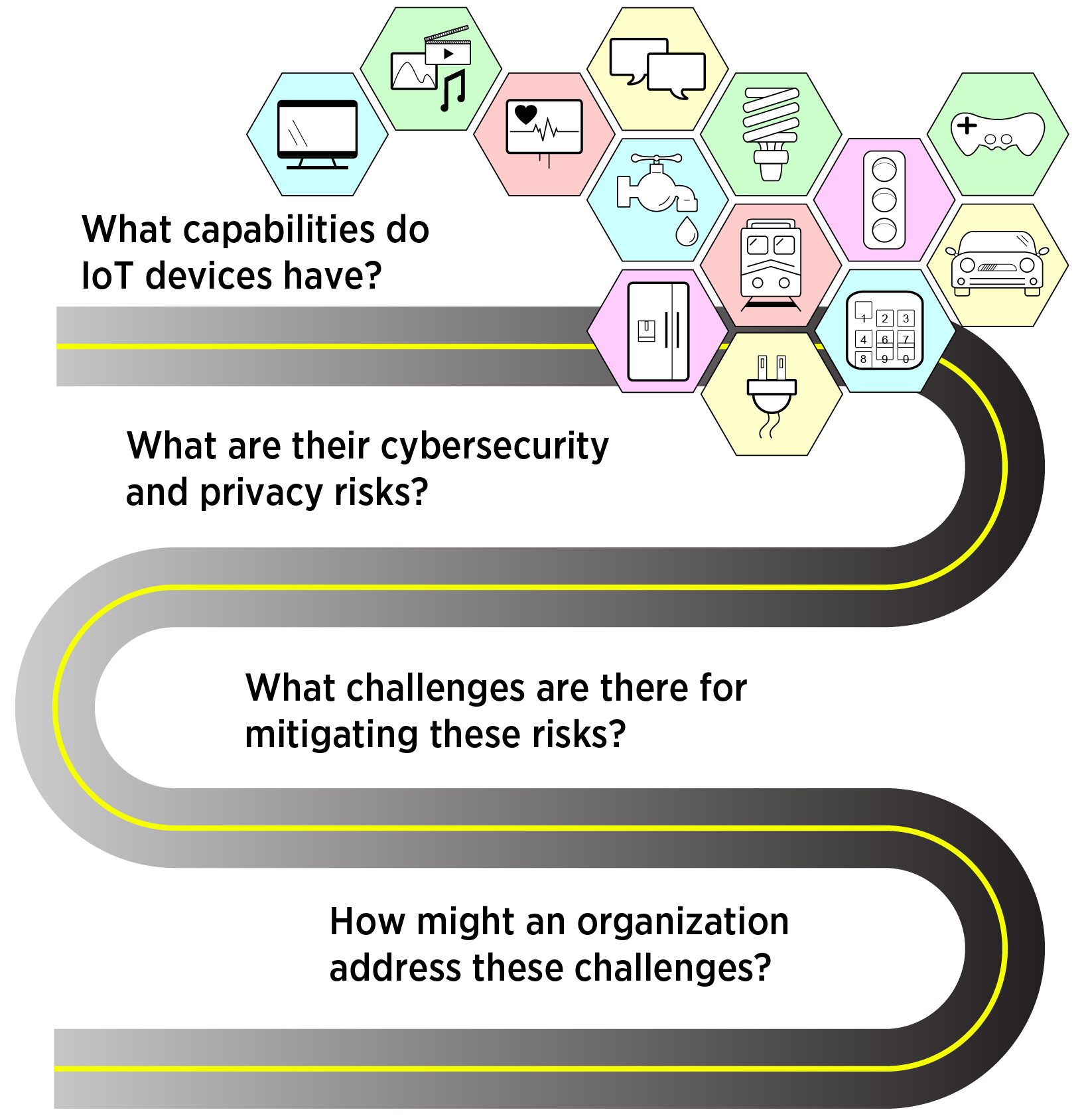
The Internet of Things (IoT) has revolutionized the way we interact with technology, offering unprecedented convenience and connectivity. From smart home devices that manage our thermostats and security systems to wearables that monitor our health, IoT technologies are seamlessly integrating into our daily lives. However, this integration brings with it significant privacy concerns that demand careful consideration.

Understanding IoT and Its Privacy Implications

At its core, IoT refers to the network of interconnected devices that communicate and exchange data with each other. These devices collect vast amounts of information, from basic operational data to more sensitive personal details. While this data collection enables enhanced functionality and personalized experiences, it also poses substantial privacy risks.

One primary concern is the sheer volume of data being collected. Smart home devices, such as voice assistants and smart cameras, can gather extensive information about daily routines, preferences, and even private conversations. Wearables, like fitness trackers and smartwatches, monitor health metrics and activity levels, creating detailed profiles of users’ physical conditions. This data can be incredibly valuable, but it also presents opportunities for misuse if not properly protected.

Data Security Vulnerabilities

The security of IoT devices is often less robust compared to traditional computing systems. Many IoT devices have limited processing power and storage, making it challenging to implement strong security measures. Additionally, manufacturers sometimes prioritize speed to market over security, leading to vulnerabilities in the devices themselves. This can result in data breaches where sensitive information is accessed or stolen by malicious actors.

Moreover, IoT devices are frequently connected to the internet, creating multiple points of potential entry for cybercriminals. For instance, a vulnerability in a smart thermostat or a security camera could be exploited to gain access to a user’s entire home network. Ensuring the security of these devices requires regular updates and patches, but many consumers may not be aware of or diligent about applying them.

Data Sharing and Third-Party Access

Another privacy issue arises from data sharing practices. Many IoT devices collect data that is then shared with third-party companies, often for purposes like improving service quality or targeted advertising. Users may not be fully aware of how their data is being used or shared, leading to potential breaches of privacy. Privacy policies are often lengthy and complex, and users may not thoroughly read or understand them.

In some cases, the data collected by IoT devices can be sold to data brokers, who aggregate and analyze it for various purposes. This can result in the commodification of personal information, where individuals have little control over how their data is used or who has access to it.

Regulatory and Ethical Considerations

As IoT technologies continue to evolve, regulatory frameworks are struggling to keep pace. Many existing privacy laws do not adequately address the unique challenges posed by IoT devices. For instance, the General Data Protection Regulation (GDPR) in the European Union and the California Consumer Privacy Act (CCPA) in the United States offer some protections, but they may not fully cover the specificities of IoT data collection and sharing practices.

Ethically, there is a growing need for manufacturers to prioritize privacy by design. This means incorporating robust security measures and transparency into the development process from the outset. Users should also be given clear, accessible options to control their data, including the ability to opt-out of data sharing and delete their information.

Best Practices for Protecting IoT Privacy

To mitigate privacy risks associated with IoT devices, users can adopt several best practices. Firstly, ensuring that devices are updated regularly can help protect against known vulnerabilities. Additionally, configuring device settings to limit data collection and sharing can provide more control over personal information. Users should also be cautious about the permissions they grant to IoT devices and be vigilant about reviewing privacy policies.

In conclusion, while IoT technologies offer incredible benefits, they also bring significant privacy challenges. Addressing these issues requires a multifaceted approach, involving both stronger regulatory measures and proactive steps by manufacturers and consumers. By staying informed and vigilant, we can better navigate the complexities of IoT privacy and harness the advantages of connected technology without compromising our personal information.