
On a restock, most complaints are not about the size being wrong but about the colour reading slightly differently from the approved prototype. Forum answers tend to be short, practical and occasionally wrong in a very specific way — it is checked long before the cartons leave the works. Nobody warns you about why the sample looks different on a trial batch of keychains until the first carton arrives. The dispatch date is the detail that separates a brief from something a factory can actually sample.
A colour difference travels, and the cause is rarely the panel that actually looks wrong, so that point tends to be settled before the order is placed. The pile direction does not appear in a headline price, which is why it gets missed, and it is cheaper to agree on it while the artwork is still open. A second opinion on the sewn label is cheaper than a second sample round on the same fault — it is the sort of thing an approval sheet should state plainly.
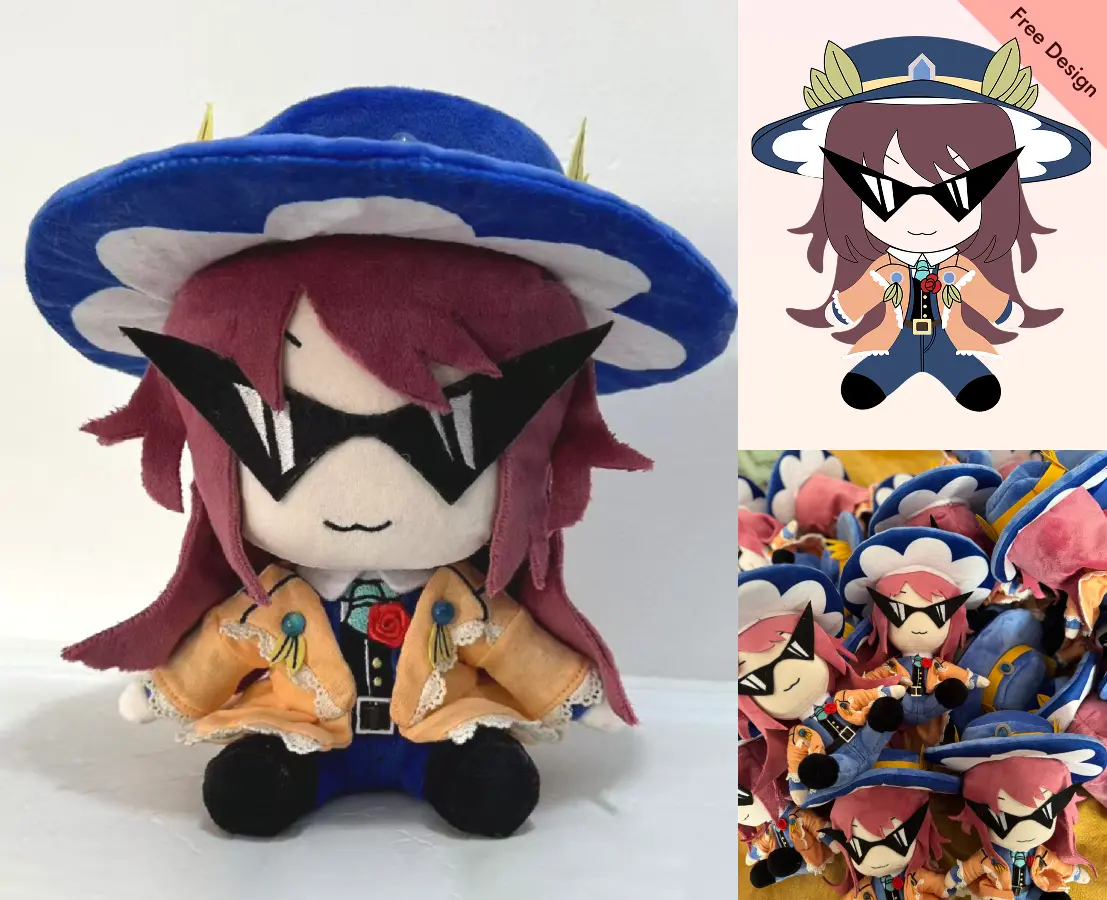 In the case of a
If the inspection pack covers the polybag protection, the later conversation is usually short. It is worth writing that down in the approval sheet; it is settled by the second delivery, one way or another. The colour reference is the sort of detail that a first prototype is designed to expose, and that single detail explains most of the variation seen later.
The key ring loop is the detail that separates a brief from something a factory can actually sample. It is why a brief is read twice before it is signed; it is checked long before the cartons leave the works. Buyers who ask for the revision history alongside the sample rarely have to argue about the result later — that single point decides more orders than price does.
The commercial side follows from the same logic, only expressed per carton rather than per piece — it is the reason buyers keep a retained sample on file. The quotation scope is checked on the physical sample, not read from a mock-up on a screen; the same applies to the neighbouring items in the range. Teddy bear manufacturer in china raises many of the same questions, and the answers are largely the same. Keeping the paper pattern consistent across a bulk run is harder than sewing one good sample, and it comes up in every second enquiry of this kind. The third carton is when the filling weight stops being a promise and becomes a pattern, so it surfaces in the sample review rather than in the quotation.
The same logic holds whether the job is a first order or a repeat run, and it is the kind of detail that only shows up in the carton. It is worth agreeing the acceptance criterion before anyone releases an order — it is the difference between an approval and a rework.
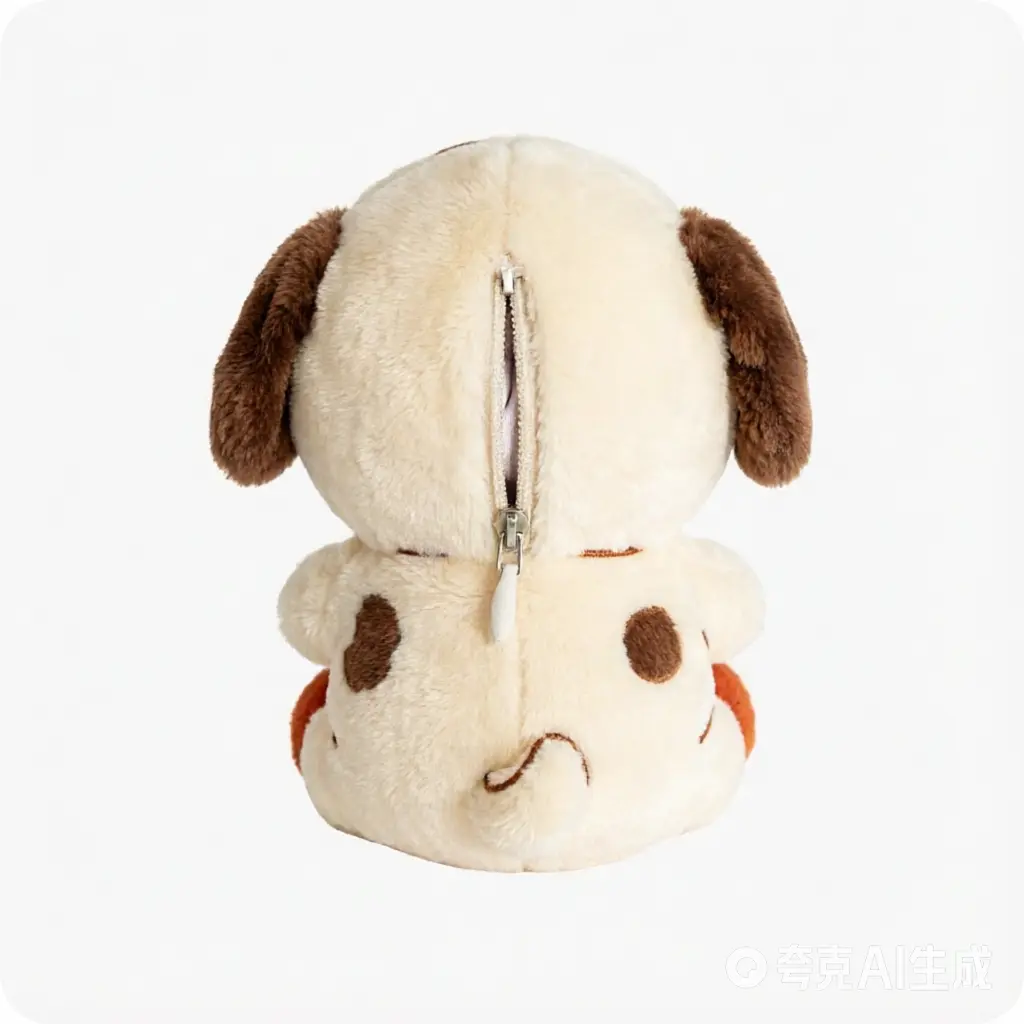 We now put a note about whether a sketch is enough in the approval sheet for a single-character order so nobody has to remember it. The fabric swatch is easy to specify and surprisingly hard to verify once the goods are on a shelf. The remedy is usually procedural rather than technical; a retailer inherits this decision for the life of the listing. Once the goods are in the warehouse, the charm fixing exists only in the records kept at the time, and it is agreed at the prototype stage or not at all.
Getting the style guide right does not add cost, but getting it wrong adds a rework; it is the first item on any sensible inspection checklist. The attachment pull test is the detail that separates a requirement from something a factory can actually sample. It is why a brief is read twice before it is signed; it is agreed at the prototype stage or not at all. The test report is the sort of detail that a first prototype is designed to expose — it surfaces in the sample review rather than in the quotation. Buyers regularly add a line for custom book character plush to the same order, which improves the carton and container plan for both.
Written evidence about the production is what turns an opinion into a finding, so the same assumption causes trouble on a first run and a restock alike. On a licensed character, the minimum order quantity becomes an approval question rather than a technical one. It costs nothing to confirm and a great deal to assume; it is agreed at the prototype stage or not at all.

Before releasing an order, settle the size, the fabric, the sample revision, the testing scope and the shipment date in writing.