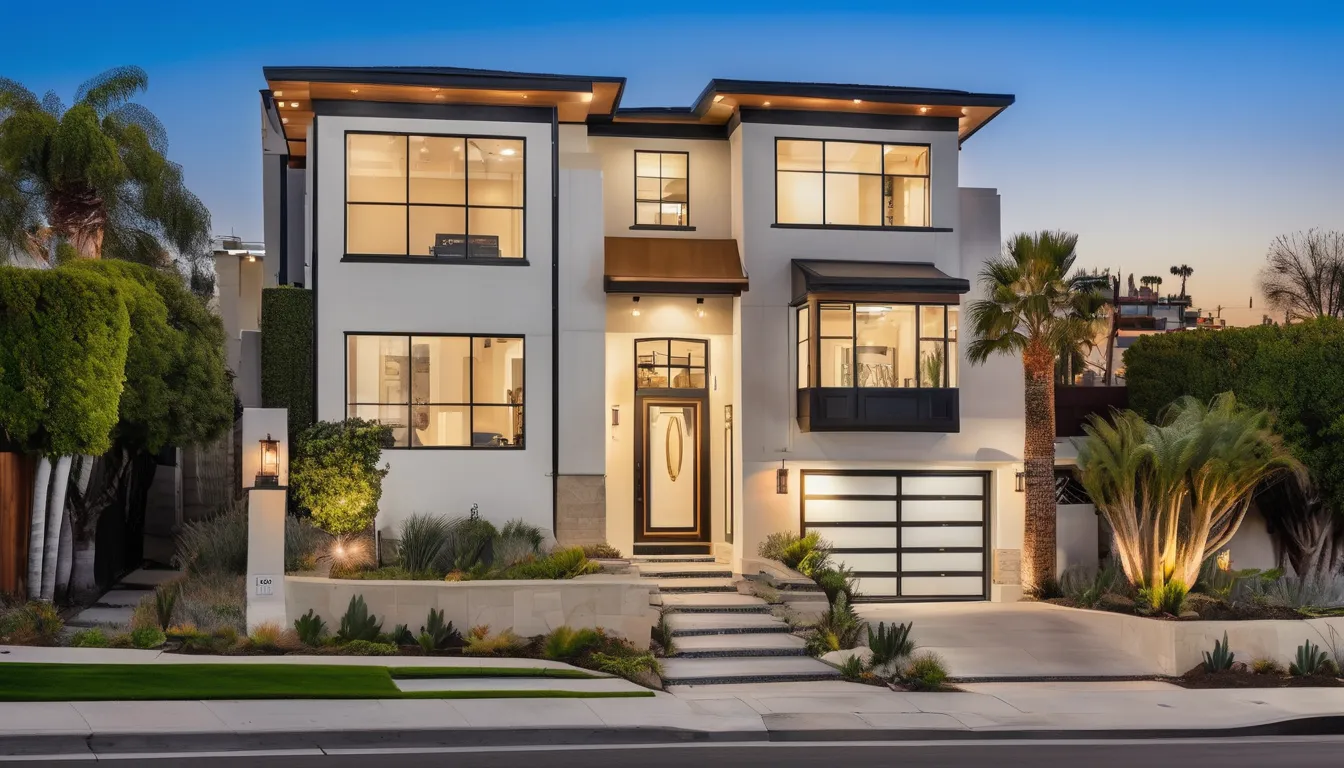
When it comes to home design and construction, you may have heard the term “millwork” tossed around by architects, designers, or contractors. But what exactly does it mean? And why is it important in both residential and commercial spaces? If you’re new to interior design or remodeling, understanding millwork can help you make informed decisions about your home’s style, functionality, and value.
This complete beginner’s guide breaks down everything you need to know about millwork, from its definition and types to its uses and benefits.
What Is Millwork?
Millwork refers to any woodwork or building material that is produced in a mill and used for interior or exterior finishing. Essentially, it is custom or pre-manufactured wood components that enhance the functionality and aesthetics of a space.
Common examples of millwork include:
-
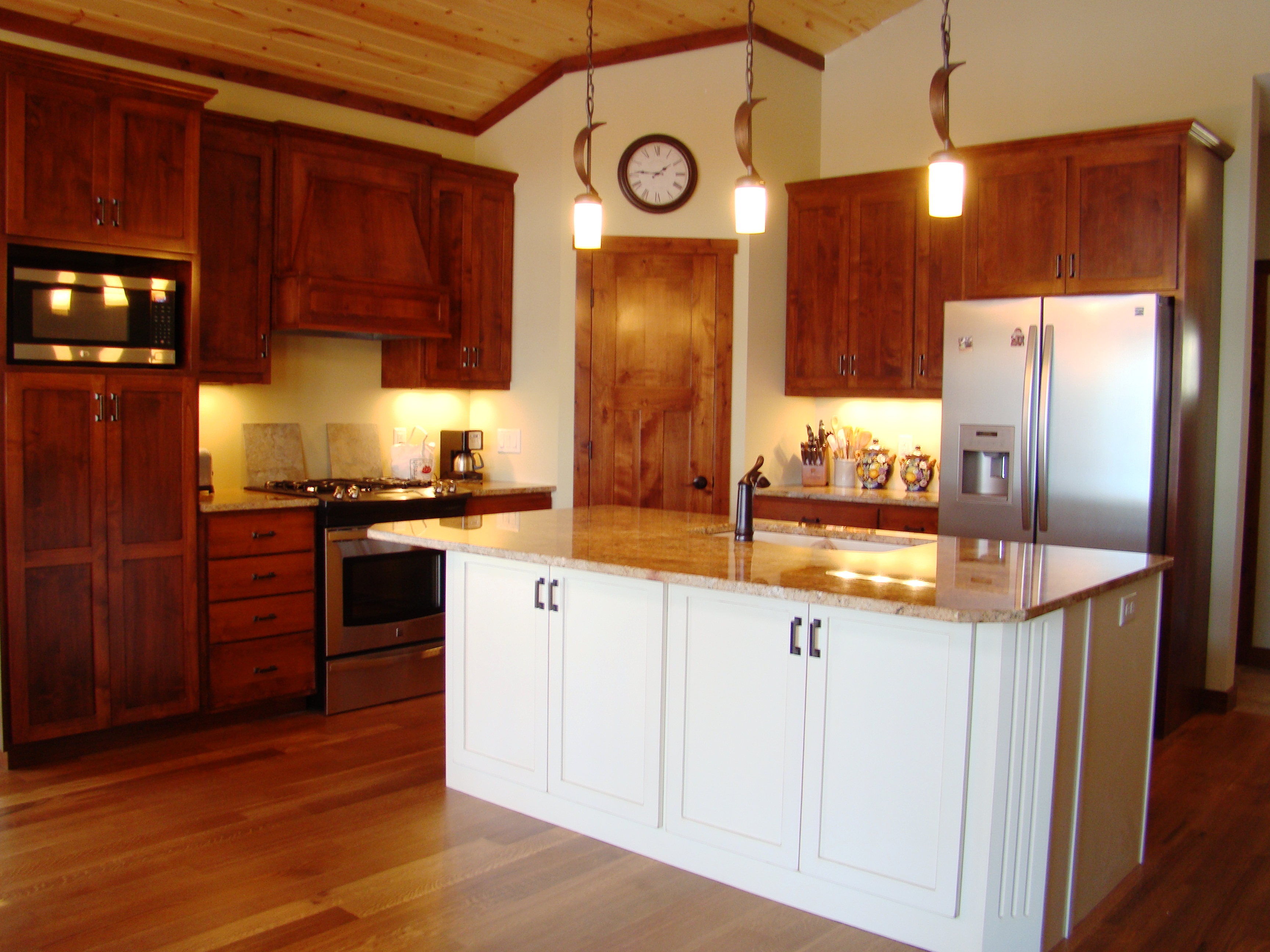
Cabinetry – kitchen, bathroom, or built-in storage
-
Trim and Molding – crown molding, baseboards, and chair rails
-
Doors and Window Frames – including decorative panels
-
Staircases and Railings – handrails, balusters, and newel posts
-
Paneling and Wainscoting – decorative or functional wall treatments
Millwork is typically made from wood, but it can also be crafted from MDF, plywood, or composite materials, depending on the project and budget.
How Is Millwork Made?
Millwork is created using a combination of traditional woodworking techniques and modern machinery. The process generally involves:
-
Design – Architects or designers create detailed plans based on function and style preferences.
-
Milling – Raw wood or composite materials are shaped, cut, and finished using specialized machines.
-
Customization – Depending on the project, millwork can be custom-made to fit unique dimensions and design requirements.
-
Finishing – Sanding, staining, painting, or sealing is applied to enhance appearance and durability.
The result is precise, high-quality components that can be installed in homes or commercial buildings to improve both aesthetics and practicality.
Types of Millwork
Millwork comes in a variety of styles and functions. Understanding the different types can help you identify what you need for your project.
1. Architectural Millwork
This includes elements like crown molding, baseboards, wainscoting, and decorative trims. Architectural What is Millwork adds visual interest, defines spaces, and can dramatically elevate a room’s style.
2. Cabinetry and Casework
Cabinets, bookshelves, and built-ins fall under this category. Millwork in cabinetry is both functional and decorative, providing storage while contributing to the overall interior design.
3. Doors and Windows
Custom doors, window frames, and panels are often considered millwork. High-quality millwork ensures precise fitting, durability, and a polished look.
4. Stairs and Railings
From elegant staircases to simple railings, millwork can add sophistication and safety to your home. Balusters, handrails, and newel posts are common examples.
Benefits of Using Millwork
Investing in quality millwork offers several advantages:
-
Aesthetic Appeal – Well-crafted millwork adds style, texture, and depth to any space.
-
Customization – Millwork can be tailored to match your unique design preferences.
-
Durability – High-quality wood or composites ensure longevity, even in high-traffic areas.
-
Increased Home Value – Custom millwork is a desirable feature for prospective buyers, adding both beauty and market value.
-
Enhanced Functionality – Cabinets, shelving, and paneling improve organization and usability.
Millwork vs. Standard Carpentry
It’s important to note that millwork differs from standard carpentry. While carpentry often involves rough construction like framing or structural work, millwork is primarily focused on finished, decorative, and functional elements. In other words, carpenters build the skeleton of a home, while millwork adds the personality, polish, and detail.
Choosing the Right Millwork for Your Home
When selecting millwork, consider the following factors:
-
Material – Solid wood, MDF, or engineered composites each have pros and cons depending on your budget and durability needs.
-
Style – Choose millwork that complements your interior design, whether modern, traditional, or transitional.
-
Finish – Stains, paints, and varnishes can enhance the look while protecting the material.
-
Functionality – Think about storage needs, traffic patterns, and practical uses before choosing cabinetry or paneling.
Final Thoughts
Millwork may seem like a small detail, but it has a major impact on the overall design and functionality of your home. From elegant crown molding to custom cabinets and staircases, high-quality millwork brings together style, durability, and craftsmanship in one package.
For beginners, understanding millwork opens the door to more informed design decisions and ensures your home looks polished, cohesive, and professionally finished. Whether you are renovating a kitchen, upgrading a living room, or building a new home, investing in quality millwork transforms ordinary spaces into extraordinary interiors.