
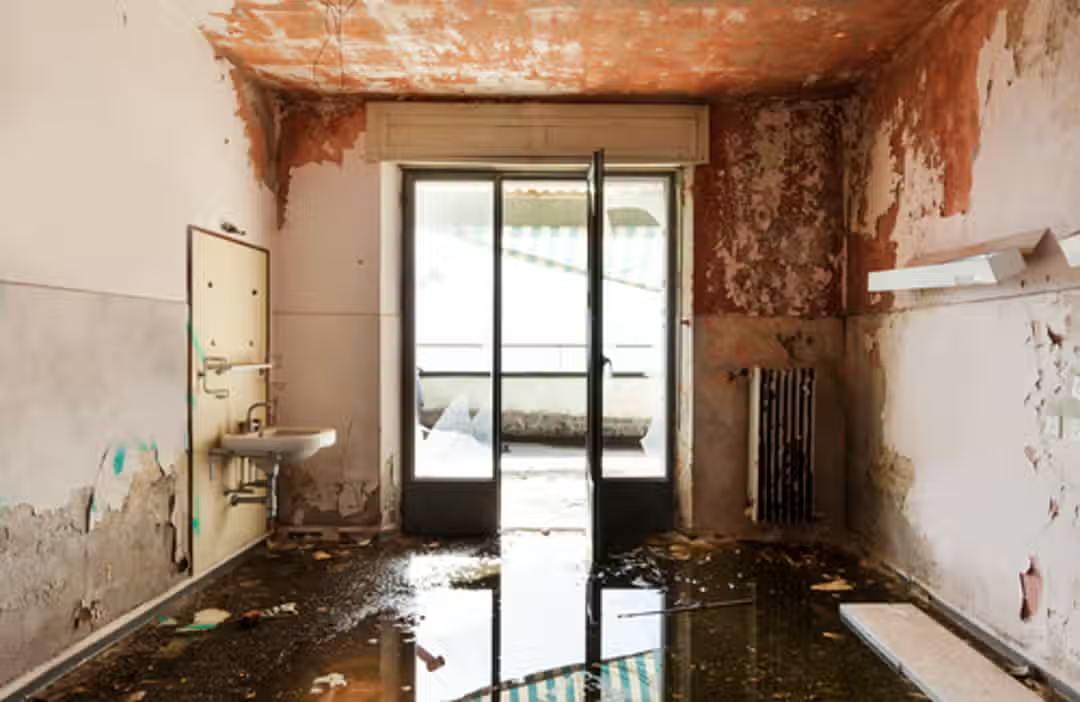
You’re probably aware that water damage and mold growth can be a serious issue, but do you know the warning signs to look out for in your own home? Water spots on the ceiling, warping floors, and corroded pipes are all red flags that demand attention. And if you don’t take action, you could be putting your health and property at risk. Mold exposure can trigger respiratory issues, skin irritation, and even infections – especially if you have a weakened immune system. But what can you do to protect yourself and your home?
Recognizing Water Damage Signs
Water damage can sneak up on you, but knowing the signs can save you from costly repairs and health risks.
You mightn’t notice it at first, but a small leak or flood can quickly turn into a big problem. So, what should you look for?
Start by checking your walls and ceilings for water spots or discoloration. Are there any bubbles or peeling paint? These could be signs of water seeping in from behind.
Check your floors for warping, buckling, or soft spots, especially around appliances like dishwashers and refrigerators.
Don’t forget to inspect your pipes and faucets for leaks or corrosion.
If you notice any of these signs, don’t hesitate to investigate further. Turn off the main water supply and call a professional if you’re unsure of what to do next.
Mold Growth and Health Risks
When mold takes hold, it can unleash a range of health problems.
You may start to experience respiratory issues, such as coughing, sneezing, or shortness of breath. Mold spores can irritate your eyes, skin, and throat, leading to itchy eyes, skin rashes, and sore throats.
If you have allergies or asthma, mold exposure can trigger severe reactions.
In severe cases, mold exposure can lead to more serious health issues.
You may develop infections, especially if you have a weakened immune system. People with compromised immune systems, such as those with cancer or HIV/AIDS, are more susceptible to mold-related illnesses.
Mold toxins can also affect your nervous system, causing headaches, fatigue, and even mood changes.
It’s essential to take mold growth seriously and address it promptly.
Prolonged exposure to mold can lead to long-term health consequences.
If you suspect mold growth in your home, don’t hesitate to take action.
Get professional help to identify and remediate the mold, and take steps to prevent its return.
Your health depends on it.
Prevention Strategies for Homeowners
To keep mold at bay, you should focus on controlling moisture levels in your home. This means being mindful of any areas where water may accumulate, such as around sinks, showers, and appliances.
Check these areas regularly for signs of water damage or leaks, and address any issues promptly.
You should also ensure good ventilation throughout your home, especially in areas prone to moisture. Use exhaust fans in kitchens, bathrooms, and laundry rooms to remove excess moisture from the air.
Additionally, make sure your home’s HVAC system is properly maintained to prevent condensation buildup.
Furthermore, store items in a way that allows air to circulate around them, and avoid piling items against walls or on top of each other.
Keep your home’s humidity levels between 30-50% to prevent moisture buildup. By following these prevention strategies, you can significantly reduce the risk of mold growth in your home.
Steps to Take After Water Damage
Respond quickly to water damage to prevent mold growth and further destruction. The sooner you act, the better.
Start by turning off the main water supply to prevent more water from flowing into your home. Next, unplug and remove any electrical appliances from the affected area to avoid electrical shock.
You’ll need to assess the damage and identify the source of the leak. Take photos and videos for insurance purposes, if applicable.
Don’t try to clean or dry the area yourself, as this can spread the damage and create more problems. Instead, focus on removing excess water and drying the area as much as possible.
You can use towels, mops, and wet/dry vacuums to remove standing water. Open windows and doors to improve ventilation and speed up the drying process.
Professional Mold Remediation Options
Safety takes center stage as you transition from mitigating water damage to tackling the looming threat of mold growth. You can’t afford to compromise on your health or the integrity of your property.
That’s why professional mold remediation options are often the best course of action. You’ll want to look for certified mold remediation experts who can assess the situation, contain the affected area, and develop a customized plan to remove the mold.
They’ll use specialized equipment and techniques to ensure the mold is eliminated, and the area is safe for occupation. Don’t try to tackle mold removal on your own, as you can inadvertently spread spores, making the problem worse.
Professional mold remediation services will also provide you with a detailed report outlining the work done, the measures taken to prevent future mold growth, and guidance on how to maintain a mold-free environment.
Conclusion
You’ve learned the importance of recognizing water damage signs, the health risks associated with mold growth, and strategies to prevent it. If https://www.servpro.com/locations/az/servpro-of-san-tan-valley-south-blackwater/services/water-damage occurs, you know the steps to take to minimize further damage. By being proactive and taking control of moisture levels, ventilation, and HVAC maintenance, you can protect your home and health from the dangers of mold.