

How to Get More Online Reviews and Use Them to Grow Your Business

You’ve worked hard to build a great business, and your happy customers are the key to spreading the word. But are you making it easy for them to share their experiences online? By providing a simple way for customers to leave reviews, you can increase your online presence and attract more customers. Imagine having a steady stream of positive reviews that drive sales and help you stay ahead of the competition. But that’s just the beginning – the real question is, what do you do with those reviews once you have them?

Encourage Reviews From Happy Customers

You’ve likely had customers rave about your business, so why not encourage them to share their experiences online? This is a great way to build credibility and attract new customers.

Happy customers are often eager to share their positive experiences with others, and a little nudge from you can go a long way.

Make it easy for customers to leave reviews by providing them with a direct link to your review page or by displaying a QR code in your store.

You can also train your staff to ask satisfied customers if they’d be willing to leave a review. This can be as simple as saying, “We’re so glad you’re happy with our service! Would you mind taking a minute to share your experience online?”

Additionally, consider incentivizing customers to leave reviews by offering them a discount or reward in exchange for their feedback.

Just be sure to comply with review platform guidelines and avoid incentivizing fake or biased reviews.

Choose the Right Review Platforms

Now that you’ve encouraged happy customers to share their experiences online, it’s time to think about where those reviews will live.

You want to make sure you’re directing them to the platforms that matter most for your business.

Start by identifying the review sites your target audience is most active on.

Are they searching for your business on Google, Yelp, or Facebook? Do they frequent industry-specific sites like Healthgrades, TripAdvisor, or Angie’s List?

You should prioritize these platforms because they’re where your customers are already looking for reviews.

Next, consider the review sites that have the most impact on your business.

For instance, if you’re a local business, Google My Business reviews are crucial since they appear in search results.

If you’re an e-commerce site, Amazon or Trustpilot reviews might be more important.

Respond to Reviews Strategically

Responding to online reviews is a crucial step in managing your 士業 reputation, and it’s essential to do it strategically.

You want to show customers you value their feedback, whether it’s positive or negative. When you respond to reviews, it humanizes your brand, builds trust, and increases customer loyalty.

You should respond to both positive and negative reviews.

For positive reviews, thank the customer and highlight the specific services or products they appreciated. This encourages them to continue doing business with you and share their positive experiences with others.

For negative reviews, apologize for any issues, offer a solution, and take the conversation offline. This shows you’re committed to resolving problems and care about customer satisfaction.

Make sure to respond promptly, ideally within 24-48 hours.

This demonstrates your commitment to customer service and helps mitigate any potential damage from negative reviews.

Always keep your responses professional, empathetic, and personalized to the customer’s experience.

Showcase Reviews on Your Website

By prominently featuring customer reviews on your website, you’re giving potential customers a valuable resource to inform their purchasing decisions, while also showcasing your brand’s commitment to transparency and customer satisfaction.

This can be as simple as adding a dedicated reviews page or incorporating review snippets throughout your product pages. You can also use widgets or plugins to easily display reviews from third-party sites like Yelp or Google.

Make sure the reviews you showcase are authentic and trustworthy. Use photos, videos, or quotes to add visual appeal and make the reviews more relatable.

Organize the reviews by product, category, or rating to help customers quickly find the information they need. Consider highlighting your best reviews or featuring a “review of the month” to create social proof and build credibility.

Analyze and Improve With Reviews

Every day, your customers are providing you with a wealth of valuable feedback through their online reviews.

You can use this feedback to identify areas for improvement and make data-driven decisions to grow your business. By analyzing your online reviews, you can pinpoint common complaints, concerns, or praises from your customers.

This insight allows you to make targeted changes to your products, services, or customer experience.

You can also use online reviews to measure the effectiveness of your business strategies.

For example, if you’ve recently implemented a new customer service training program, you can track the changes in customer feedback to see if it’s having a positive impact.

By regularly reviewing your online reviews, you can stay on top of customer sentiment and make adjustments to stay ahead of the competition.

Conclusion

You’ve got a solid strategy in place to harness the power of online reviews. By encouraging happy customers to share their experiences, choosing the right review platforms, responding strategically to feedback, showcasing reviews on your website, and analyzing them for improvement, you’ll be well on your way to building credibility, driving sales, and staying ahead of the competition. Now, put these tactics into action and watch your business thrive!
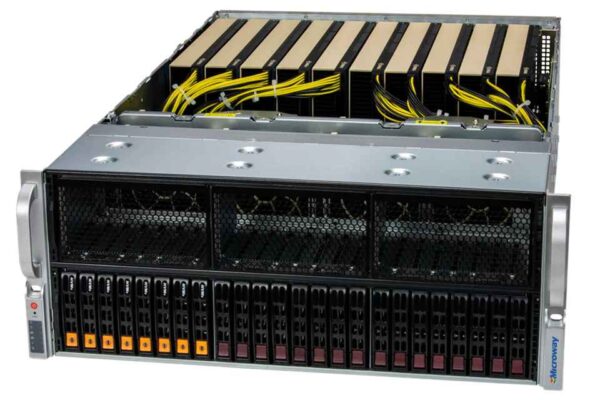

How Investing in GPU Servers Can Help You Save on Taxes

As a business owner, you’re constantly looking for ways to optimize your operations and reduce costs. But did you know that investing in GPU servers can also help you save on taxes? By claiming depreciation deductions and taking advantage of specific tax credits, you can significantly lower your taxable income and resulting tax liability. What’s more, strategic timing and accurate record-keeping can further maximize your savings. But how do you navigate the complexities of tax law to reap these benefits?

Understanding Tax Benefits of GPUs

Several businesses overlook the tax benefits of GPUs, but you don’t have to be one of them.

You’re likely aware that GPUs are a significant investment for your business, but did you know that they can also provide significant tax savings?

The IRS allows businesses to claim tax deductions on the depreciation of assets like GPUs, which can lead to substantial tax savings.

You can claim these deductions by listing your GPUs as business expenses on your tax return.

Since GPUs are typically used for business purposes, you can depreciate their value over time, reducing your taxable income.

This can result in significant tax savings, especially if you’ve invested in multiple GPUs or high-end models.

Accelerating Depreciation for Savings

By strategically timing your GPU purchases, you can accelerate depreciation for even greater tax savings.

This involves taking advantage of the Modified Accelerated Cost Recovery System (MACRS), which allows you to depreciate assets over a shorter period. For GPU servers, this means depreciating them over five years instead of the standard seven.

By doing so, you can claim a larger depreciation deduction in the early years, reducing your taxable income and resulting tax liability.

To accelerate depreciation, you’ll need to keep accurate records of your GPU purchases, including the date of purchase, cost, and depreciation method used.

You should also consult with a tax professional to ensure you’re meeting all the necessary requirements.

Additionally, consider bunching your GPU purchases into a single year to maximize depreciation deductions.

Maximizing Section 179 Deductions

Take advantage of Section 179 deductions to write off the full cost of your GPUサーバー 節税 in the first year, allowing you to claim a larger deduction and reduce your taxable income.

This can be a game-changer for your business, as you can immediately expense the entire cost of the servers instead of depreciating them over time. By doing so, you’ll be able to reduce your taxable income, which means you’ll owe less in taxes.

To maximize your Section 179 deductions, you’ll need to ensure that your GPU servers meet the necessary requirements.

This includes using the servers for business purposes more than 50% of the time and placing them into service by the end of the tax year. Additionally, you’ll need to elect to use Section 179 deductions on your tax return, as this isn’t an automatic process.

How to Qualify for R&D Credits

Every dollar counts when it comes to investing in GPU servers, and claiming R&D credits can be a significant cost savings for your business.

You’re likely wondering how to qualify for these credits. To start, you’ll need to determine if your GPU server investment qualifies as research and development (R&D) activities. This typically includes activities such as developing new or improved products, processes, or software.

You’ll also need to keep detailed records of your R&D activities, including the costs associated with them.

You can claim R&D credits for things like wages, materials, and contractor fees related to your GPU server development. Additionally, you may be able to claim credits for cloud computing costs, such as Amazon Web Services or Google Cloud.

Be sure to work with a tax professional to ensure you’re accurately documenting and claiming your R&D credits. They can help you navigate the complex rules and regulations surrounding R&D credits.

Strategically Timing Your Investment

As you consider investing in GPU servers, strategically timing your investment is crucial to maximizing your returns.

You’ll want to time your purchase to coincide with the end of the year or the beginning of a new quarter. This allows you to take advantage of tax deductions and credits available for that specific period. By doing so, you can claim the depreciation of your GPU servers on your taxes, reducing your taxable income and increasing your savings.

Additionally, consider the current market trends and GPU server prices.

If prices are expected to drop in the near future, it might be wise to wait until then to make your purchase. On the other hand, if prices are rising, it may be beneficial to invest sooner rather than later. By timing your investment strategically, you can minimize your upfront costs and maximize your tax savings.

Conclusion

You’ve learned how investing in GPU servers can significantly reduce your taxable income and resulting tax liability. By accelerating depreciation, maximizing Section 179 deductions, and qualifying for R&D credits, you can maximize your savings. Strategically timing your investment and keeping accurate records are key to claiming these benefits. Now, it’s time to put this knowledge into action and start saving on taxes with your GPU server investment.

How Timber Frame Homes Increase Property Value

As you consider investing in a timber frame home, you're likely wondering how it will impact your property's value. The answer lies in the unique combination of aesthetic appeal, durability, and eco-friendliness that these homes offer. With their exposed beams and natural beauty, timber frame homes exude a sense of grandeur that's hard to ignore. But it's not just about looks – the durable materials and minimal maintenance requirements also translate to cost savings. And that's just the beginning. You'll want to explore how these features come together to increase your property's value and attract potential buyers.

Unique Aesthetic Appeal Boosts Value

Your timber frame home's unique aesthetic appeal is a major selling point, boosting its value and setting it apart from conventional houses.

The exposed beams, soaring ceilings, and open floor plans create a sense of grandeur and sophistication that's hard to find in traditional homes. The natural beauty of the wood, combined with the craftsmanship that goes into building a timber frame home, makes a statement about your personal style and commitment to quality.

You'll love the way the natural light pours in through the large windows, highlighting the intricate details of the woodwork.

The rustic charm of the timber frame is balanced by the modern amenities and comforts you've come to expect in a home. The result is a living space that's both cozy and elegant, perfect for entertaining or relaxing with family.

Whether you're looking to sell your home in the future or simply want to enjoy it for years to come, the unique aesthetic appeal of your timber frame home will continue to pay dividends.

Durability Translates to Cost Savings

Building a timber frame home is a smart investment that will pay off in the long run, thanks to its unparalleled durability.

You can expect your home to withstand harsh weather conditions, resist pests and decay, and require minimal maintenance over the years. This means you'll save money on repairs and replacements, which can be a significant expense for traditional homeowners.

As you enjoy your timber frame home, you'll notice that it will age gracefully, maintaining its original charm and character.

The structural integrity of the timber frame will remain intact, ensuring your home remains safe and secure. You won't have to worry about the costly surprises that can come with owning an older home.

With a timber frame home, you can have peace of mind knowing that your investment will hold its value and continue to appreciate over time. By choosing a durable and long-lasting building material, you're making a smart financial decision that will benefit you for years to come.

Energy Efficiency Equals Higher ROI

As you step into your timber frame home, you're not only surrounded by natural beauty, but you're also reaping the benefits of a highly energy-efficient living space.

The natural insulation properties of wood, combined with advanced building techniques, result in a home that's remarkably energy-efficient. This means you'll enjoy lower energy bills and a reduced carbon footprint.

The energy efficiency of your timber frame home also translates to a higher return on investment (ROI).

According to the National Association of Realtors, energy-efficient features are a top priority for homebuyers, with 70% of buyers considering them important or very important. By investing in a timber frame home kits home, you're not only saving money on energy costs, but you're also increasing your property's value and appeal to potential buyers.

This can lead to a higher selling price and a faster sale. With energy efficiency being a major selling point, you can expect a significant ROI when it's time to sell your timber frame home.

Environmental Benefits Attract Buyers

Since the early 2000s, the demand for eco-friendly homes has been on the rise, and today, environmental benefits are a top consideration for many homebuyers.

You'll attract a growing pool of buyers who prioritize sustainability and reducing their carbon footprint. Timber frame homes, in particular, offer a unique selling point: they're made from natural, renewable resources that can be sourced locally, reducing transportation emissions.

The natural insulation properties of wood also mean that your home will require less energy to heat and cool, further reducing its environmental impact.

As you prepare to sell your timber frame home, highlighting these eco-friendly features will set your property apart from others on the market.

You can also emphasize the health benefits of living in a timber frame home, such as improved indoor air quality and reduced exposure to toxins.

Low Maintenance Means Higher Resale

With timber frame homes, you can say goodbye to the constant upkeep and repairs that come with traditional construction methods.

The solid wood construction and precise engineering of timber frame homes mean that they're less prone to damage and deterioration over time. This translates to fewer maintenance tasks and repairs, which can be a huge selling point for potential buyers.

When you decide to sell your timber frame home, the low maintenance requirements will be a major draw for buyers. They'll appreciate the fact that they won't have to worry about constant repairs and upkeep, which can be a significant cost savings.

This can lead to a higher resale value for your home, as buyers are willing to pay a premium for the peace of mind that comes with owning a low-maintenance property. In fact, according to the National Association of Realtors, homes with low maintenance requirements can sell for up to 10% more than similar homes with higher maintenance needs.

Conclusion

As you consider investing in a timber frame home, remember that its unique aesthetic appeal, durability, energy efficiency, and environmental benefits will significantly increase your property's value. You'll enjoy a higher ROI, cost savings, and a premium resale price. With minimal maintenance requirements, you'll have more time to enjoy your dream home. By choosing a timber frame home, you're making a valuable investment that will pay off for years to come.

Cost Analysis: Are 2-Step Evaluations Worth the Fee?

For those traders who lack investment and want a cost-effective solution then prop firms are the best option for them. These firms provide traders with the amount of capital to start their trading career. But the challenging thing here is the 2-step evaluation process. It seems very simple as you have to pass two phases, prove your skills, and get funded. But here’s the real question: are these evaluations actually worth the price tag? Let’s discuss step by step and figure out if shelling out for a 2-step challenge is a smart move or just another way for prop firms to make a quick buck.

What Exactly Is a 2-Step Evaluation?

Let’s quickly review the two-step evaluation process in case you’re unfamiliar with it. The majority of prop firms use this model to test a trader’s consistency and risk management before releasing their capital. The first step typically has a more aggressive profit target, such as 8% to 10% within 30 days, and the second step is typically more forgiving, often requiring only a 5% profit with no time pressure. If you pass both then you’re officially a funded trader. Easy, right? Well, not so quick.

The Cost Breakdown: What Are You Really Paying For?

Depending on the desired account size, the majority of prop companies charge between $100 and more than $1,000 for a two-step challenge. Generally speaking, a $100K challenge costs about $500 while a $200K challenge might cost more like $1,000.

This may sound logical at first since, if you pass, you will have access to a six-figure trading account. Let’s examine what you’re truly paying for in more detail, though: 

  1. The Entry Fee: This is non-refundable unless the firm offers a free retry or refund upon passing.
  2. The Probability of Passing: Less than 10% of traders make it through both phases. That means most traders are just donating their fees to the firm.
  3. Rules & Restrictions: Things like max daily drawdown, leverage limits, and lot size restrictions make passing trickier than you’d think.
  4. Psychological Pressure: Knowing you only have 30 days or whatever the time limit is to hit a profit target can lead to overtrading, revenge trading, or just plain bad decision-making.

Let’s now compare it with a company that receives direct financing or a one-step evaluation prop firm. Do those provide more value for your money? 

Comparing Alternatives: 2-Step vs. Other Models

By providing one-step assessments or even immediate finance, certain firms are upending the current status system. Let’s examine their relative merits:

One-Step Evaluations

The first stage of a two-step model usually has the same profit objective as a one-step challenge but once you reach it, you’re in. No more waiting and no second step. 

Pros:

  • Faster route to funding
  • Less psychological pressure
  • Usually cheaper than a 2-step evaluation

Cons:

  • Higher failure rate due to no second-chance phase
  • Stricter rules in some cases

Instant Funding

Some firms let you skip evaluations altogether and trade real capital immediately. The catch? You usually get a smaller share of the profits and have to pay a larger upfront fee.

Pros:

  • No challenge and no waiting just start trading
  • Lower risk of losing money on failed challenges
  • Easier access for experienced traders

Cons:

  • Higher fees upfront
  • Smaller payout percentages usually 50%-70% instead of 80%-90%
  • Stricter risk management rules

The Real Cost: Factoring in Retakes & Resets

When purchasing a two-step challenge, most traders overlook the possibility that they may fail and need to buy it again.

Let’s say you fail at a $100K challenge after spending $500. What are you doing? Like most traders, you give it another go. All of a sudden, you’ve spent $1,000 on assessments alone. And if you don’t succeed again? You see what I mean.

Many traders wind up spending a lot more money on challenges than they would have if they had just chosen a different approach, such as using an immediate financing model or a one-step review. 

Are 2-Step Evaluations Just a Money Grab?

Despite appearances, prop firms are actually businesses with the objective of continuing to turn a profit. They profit from traders’ failures, but they also depend on profitable traders to maintain their good name. Finding a company that provides fair guidelines and a genuine chance to pass is the challenge.

Some companies even provide free retries or reimbursements if you fulfill specific requirements (such as maintaining profitability but falling short of the entire goal). There are other systems that allow you to grow without constantly purchasing new challenges.

The secret? Examine the fine print. While some companies make their two-step tasks quite challenging, others are more forgiving. 

Empower Your Home Switching to Sustainable Energy

In recent years, the shift towards sustainable energy sources has gained significant traction, particularly in urban locales. For many homeowners, the adoption of residential solar panels installation is not just an environmentally conscious decision but a financially savvy one. Residential solar power systems offer a plethora of advantages that make them an attractive option for those looking to reduce their carbon footprint while saving on energy costs.

Understanding Residential Solar Panels

Residential solar panels are photovoltaic systems designed to convert sunlight directly into electricity. These panels are typically installed on rooftops where they can absorb the maximum amount of sunlight throughout the day. The electricity generated can be used to power home appliances, contributing to a significant reduction in electricity bills.

Benefits of Installing Solar Panels

The installation of residential solar panels offers numerous benefits, including:

  • Cost Savings: By generating your own electricity, you can significantly reduce or even eliminate your energy bills.
  • Environmentally Friendly: Solar energy is a clean, renewable resource, which helps reduce greenhouse gas emissions and dependence on fossil fuels.
  • Increased Home Value: Homes equipped with solar energy systems often have higher property values and sell more quickly.
  • Energy Independence: Producing your own energy protects you from fluctuating energy prices and potential shortages.

Steps for Installing Residential Solar Panels

  1. Research and Planning: Determine your energy needs and assess the feasibility of solar panel installation at your home.
  2. System Design: Consult with professionals to design a system tailored to your energy requirements and roof space.
  3. Permits and Paperwork: Acquire necessary permits and complete any required paperwork before installation begins.
  4. Installation: Hire certified installers to set up your solar panel system correctly and safely.
  5. Maintenance: Regularly maintain your panels to ensure optimal efficiency and longevity.

FAQs About Residential Solar Panel Installation

Is my home suitable for solar panels?

Most homes can accommodate solar panels, but factors like roof angle, shading, and local climate can affect efficiency. A professional assessment can offer definitive guidance.

How long does the installation process take?

The duration can vary based on system size and complexity, but most installations are completed within one to three days.

What is the lifespan of solar panels?

Quality solar panels can last 25-30 years, with many manufacturers offering warranties that cover performance over this period.

For Singapore residents interested in embracing solar energy, residential solar panels installation services offer a reliable path to sustainable living.

Transitioning to solar energy is more than just an investment in your home; it’s a commitment to a sustainable future. Embracing solar technology can drive global efforts to curtail climate change while providing you with long-term economic benefits.