
Top Survival Books for Outdoor Preparedness

In today’s world, knowing how to survive is crucial. Whether you love the outdoors or just want to be ready for emergencies, survival books are key. They teach you everything from basic survival skills to how to handle disasters.

Books like “Wilderness Survival: Living off the Land with the Clothes on Your Back and the Knife on Your Belt” by Mark Elbroch and Mike Pewtherer are classics. Cody Lundin’s “98.6 Degrees: The Art of Keeping Your Ass Alive” offers a fun yet practical guide. These books help you learn navigation, find food in the wild, and understand survival psychology.
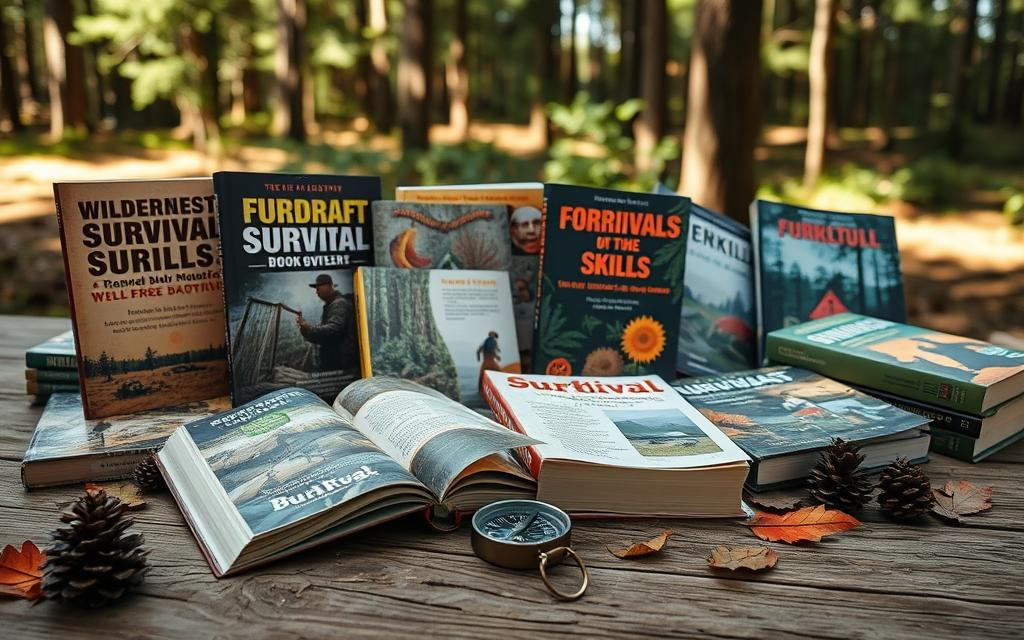
Not all survival books are created equal. Some offer outdated advice. But, some are must-haves for outdoor enthusiasts. The “Camping and Wilderness Survival” and the U.S. Air Force Survival Handbook are top picks. They cover everything from the right gear to how to survive extreme situations.

The “Wilderness Survival Handbook” by Michael Pewtherer is another standout. It’s organized well, teaching you both short-term survival and long-term self-reliance skills.

Understanding Different Types of Survival Literature

The world of survival literature is vast and varied. It covers many scenarios and skill levels. From bushcraft and wilderness living guides to primitive survival manuals and disaster preparedness resources, each offers unique insights and practical knowledge.

Bushcraft and Wilderness Living Books

Bushcraft and wilderness living books are all about surviving in remote, natural areas for a long time. They teach essential wilderness skills like building shelters, starting fires, tracking wildlife, and finding edible plants. Popular books include the SAS Survival Handbook by John Wiseman and 98.6 Degrees: The Art of Keeping Your Ass Alive by Cody Lundin.

Primitive Survival Guides

Primitive survival guides teach how to survive without modern technology. They focus on traditional skills and techniques, like making tools, hunting, and using natural materials. Recommended books include Outdoor Survival Skills by Larry Dean Olsen and Botany in a Day by Thomas J. Elpel.

Disaster Preparedness Manuals

Disaster preparedness manuals help individuals and families prepare for unexpected emergencies. They cover topics like emergency medical care, food and water storage, and communication during crises. Notable examples are The Ultimate Survival Medicine Guide and Urban Preppers with Kids, Pets & Parents by James G. Mushen.

Understanding the different types of survival literature helps prepare for various survival scenarios. Whether it’s wilderness adventures or urban emergencies, these resources empower readers. They provide the skills and mindset needed to face challenges and come out resilient.

Essential Survival Books for Beginners

For those new to wilderness survival, some books are must-reads. “98.6 Degrees: The Art of Keeping Your Ass Alive” by Cody Lundin is a top choice. It teaches survival basics in a simple way. You’ll learn about fire-making, building shelters, finding water, and navigating.

“Wilderness Survival Handbook” by Michael Pewtherer is another great book. It breaks down survival skills into short-term and long-term techniques. This helps beginners learn the most important skills first.

  • The SAS Survival Handbook by John ‘Lofty’ Wiseman is a worldwide bestseller. It offers 672 pages of detailed survival information.
  • Bushcraft 101 by Dave Canterbury is a New York Times bestseller. It has 256 pages of essential outdoor skills for beginners.
  • The Tiny Survival Guide is a small manual with 101 illustrations. It’s a lightweight, portable guide for quick reference.

These beginner survival bookswilderness survival basics, and outdoor skills for novices are great for starting your survival journey. They help you prepare for wilderness adventures or just improve your outdoor skills.

Tom Brown’s Field Guide: A Comprehensive Review

For those who love the outdoors, Tom Brown’s Field Guide to Wilderness Survival is essential. First published in 1983, it’s a favorite for learning essential wilderness skills. It helps you thrive in the wild.

Key Features and Content Overview

Tom Brown’s Field Guide covers over 400 pages. It goes into the basics of living in the wilderness. You’ll learn about tracking, building shelters, and making fires.

The book offers step-by-step guides with pictures. This makes it easy to learn wilderness survival techniques. Tom Brown’s knowledge is clear in every part of the guide.

Practical Applications and Techniques

  • Comprehensive guides on shelter crafting, including natural materials and primitive structures
  • Detailed tracking methods to identify animal signs and follow their movements
  • Primitive trap designs for securing food sources in a wilderness setting
  • Effective fire-making techniques using natural ignition sources and materials

Expert Opinions and Recommendations

Many expert survival fans and teachers praise Tom Brown’s Field Guide. Clay Hayes, Season 8’s Alone winner, says it’s key for learning wilderness skills. It’s perfect for both beginners and seasoned outdoor lovers.
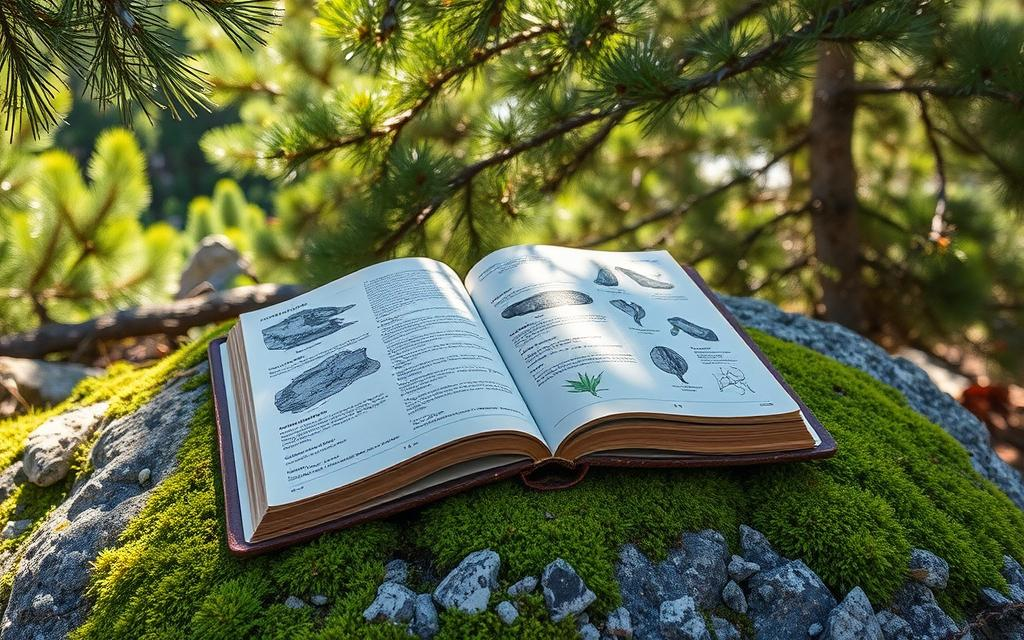
Military Survival Manuals and Their Importance

Military survival manuals are key for learning tactical survival skills. The U.S. Air Force Survival Handbook is a top resource. It teaches how to survive in hostile environments and deal with extreme situations like nuclear fallout.

These military survival guides are not just for the military. They’re also vital for outdoor lovers, disaster prep fans, and anyone wanting to improve their tactical survival skills. They offer detailed instructions and real-life examples for various survival situations.

Whether you’re an experienced outdoorsman or new to survival, a military survival handbook is full of useful knowledge. It helps you face tough survival challenges with confidence. You’ll learn essential survival principles and techniques.

The U.S. Air Force Survival Handbook and other guides are packed with valuable information. They can change the game for anyone looking to get better prepared for outdoor adventures or emergencies. By learning from these guides, you’ll become a true survival expert.

Wilderness Navigation and Orienteering Guides

Navigating the wilderness is more than just seeking adventure. It needs a good grasp of map readingcompass use, and orienteering. Luckily, there’s a lot of literature out there to help. It’s perfect for outdoor lovers, survival experts, and adventurers.

Map Reading Fundamentals

Knowing how to read a map is key to navigating the wilderness. Books like “Wilderness Navigation: Finding Your Way Using Map, Compass, Altimeter & GPS” by William Riviere teach you how. They cover how to understand topographical maps, scales, and landmarks.

These skills help you plan routes, predict terrain, and stay on track. It’s all about being prepared and knowing your way.

Compass Navigation Skills

The compass is a crucial tool for wilderness navigation. Guides like “Be Expert with Map and Compass” by Bjorn Kjellstrom show you how to use it. They teach you to take bearings, find positions, and navigate different landscapes.

Learning compass navigation skills lets you explore new places with confidence. It’s all about mastering the basics and trusting your compass.

  • Comprehensive guides on map reading and compass use
  • Techniques for triangulation and position tracking
  • Strategies for navigating diverse terrains
  • Integrating GPS and other navigation technologies

With the right knowledge from these wilderness navigation and orienteering skills guides, adventurers can explore with confidence. Their trips will be safe, efficient, and unforgettable.

Edible Plants and Foraging Resources

Exploring the wilderness can be challenging, but knowing what to look for can make it rewarding. Guides like “The Forager’s Harvest” are key for those who love the outdoors. They teach you how to find and use wild plants for food.

Sam Thayer is a well-known expert in foraging. His books, like “Nature’s Garden” and “The Forager’s Harvest,” are bestsellers. They offer lots of photos, maps, and info on 679 edible plants.

“Incredible Wild Edibles” by Samuel Thayer is great for beginners. It covers 36 top plants in North America. The 375-hour Online Foraging Course is also a deep dive into wild herbs and medicines.

These resources are perfect for anyone interested in foraging. They help you find and use wild edible plants and wilderness food sources. Learning from foraging guides prepares you for adventures and survival in the wild.

Emergency Medical and First Aid Publications

Outdoor preparedness is key, and emergency medical guides are crucial. They offer vital knowledge and practical tips for medical emergencies in remote areas. From “The Complete First Aid Pocket Guide” to wilderness medicine manuals, they cover essential first aid and wilderness medicine.

Basic First Aid Techniques

These publications are great for learning basic first aid. They cover topics like wound care, CPR, and treating common outdoor injuries. Knowing these skills helps outdoor lovers respond well to medical emergencies.

Wilderness Medicine Essentials

They also explore wilderness medicine. Guides cover hypothermia, heat illnesses, infectious diseases, and allergic reactions. This in-depth info helps prepare for medical emergencies in remote areas.

For hikers, campers, or nature lovers, these guides are essential. They help you stay safe and confident in the wilderness. With these resources, you’re ready to handle emergencies and keep everyone safe.

Survival Psychology and Mental Preparedness Books

Going into the great outdoors is more than just physical strength. It needs a strong survival mindset and mental toughness. Books like James N. Rowe’s “Five Years to Freedom” show how crucial mental readiness is.

These books talk about the mental side of survival. They cover stress management, making decisions quickly, and staying positive. Understanding these mental challenges helps you face surprises with calm and determination.

Survival psychology books dive into the human mind. They share tips on dealing with fear, loneliness, and survival’s demands. They teach how to manage anxiety and build a survival mindset. These guides are key to thriving outdoors.

For both seasoned adventurers and beginners, survival psychology books are essential. They help you develop the psychological resilience needed for tough situations. This means you can make smart choices, stay calm, and boost your survival chances.

Being good at outdoor adventures isn’t just about physical skills. It’s also about mental strength to handle the unknown. Use the wisdom from survival psychology books to enhance your survival mindset.

Best Pocket-Sized Survival Books

Pocket-sized survival books are great for outdoor adventures. They offer quick tips on survival, first aid, and navigation. Their small size makes them easy to carry in backpacks or pockets.

Compact Guide Features

These guides pack a lot of information into a small space. You’ll find tips on building shelters, purifying water, and starting fires. They also cover navigation, basic first aid, and finding edible plants.

  • Shelter construction
  • Water purification
  • Fire making
  • Navigation and orienteering
  • Basic first aid
  • Foraging for edible plants

Their small size makes them easy to store and access. This makes them perfect forpocket survival manual guides,compact outdoor manuals, andportable wilderness references.

Portable Reference Materials

In emergencies, having the right info is crucial. Pocket-sized survival books are made to be carried easily. They ensure you have the knowledge to handle outdoor challenges.
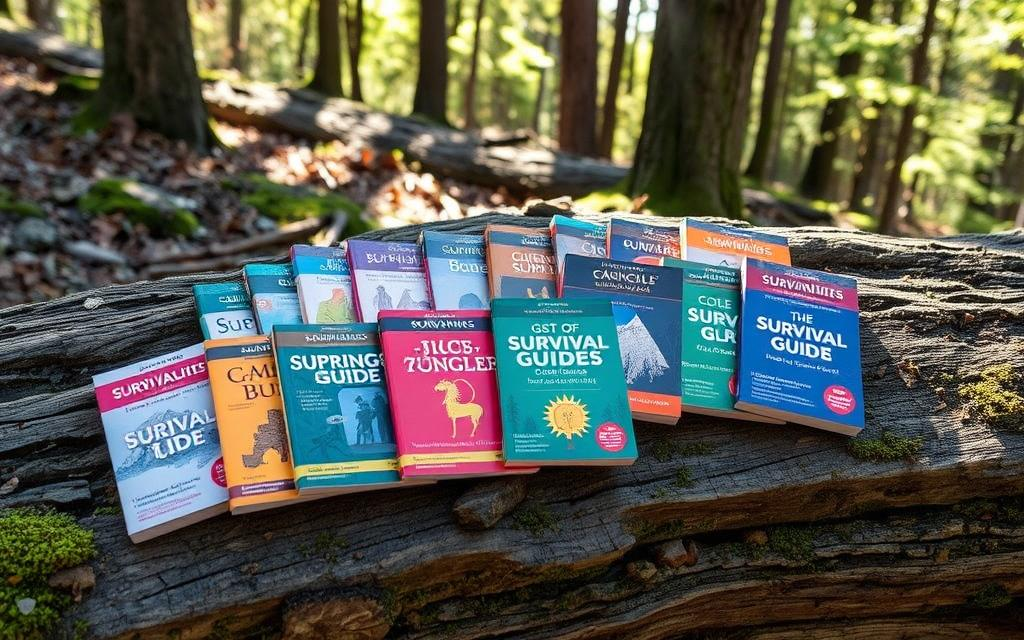
Whether you’re a pro or a beginner, a pocket survival guide is a smart investment. It offers peace of mind and could save your life. With their size and content, these compact outdoor manuals are essential for any adventurer.

Modern vs Traditional survival books

In the world of survival books, we see a cool contrast between contemporary survival guides and classic wilderness manuals. Modern books use the latest tech and methods. Yet, traditional guides share old, yet still useful, survival tips.

Bradford Angier’s “How to Stay Alive in the Woods,” from 1956, is a classic. It’s still loved for its deep dive into survival skills like building shelters and finding food. On the other hand, contemporary survival guides focus on new gear and science, showing how survival methods have changed.

But, traditional survival books are very valuable. They lay the groundwork for understanding survival basics. Then, newer books can add the latest ideas and tools. This mix helps survival fans learn everything they need to know for the outdoors.

The world of survival books keeps changing, with modern survival guides and traditional wilderness manuals both playing big roles. By combining the old and the new, survivalists get a full set of skills. They’re ready to tackle the outdoors’ many challenges.

Weather Prediction and Climate Survival Guides

Exploring the outdoors means knowing about weather and climate. Guides on these topics are key for outdoor readiness. They teach how to read nature, predict weather, and handle different climates.

These guides cover a lot, from meteorology to wilderness navigation. You’ll learn to spot weather changes by looking at clouds and wind. You’ll also find out how to stay safe and comfy in all kinds of weather.

For anyone who loves the outdoors, these guides are crucial. They help make sure your adventures are fun, safe, and good for the environment. By improving your weather forecasting and climate survival skills, you’re ready for whatever nature brings.

  1. Learn the basics of meteorology and weather forecasting.
  2. Discover how to forecast weather by reading nature’s signs.
  3. Find ways to stay safe and comfortable in different climates.
  4. Understand how climate change affects outdoor activities and adapt.
  5. Make a plan for emergencies during severe weather.

With the knowledge from these guides, you’ll be ready for the outdoors. You’ll face challenges with confidence and love for nature. Get ready for the unexpected and make the most of your wilderness trips.

Shelter Building and Fire Starting Manuals

In the world of outdoor survival, knowing how to build shelters and start fires is key. Survival guides teach these vital skills. They help you survive in tough places and keep you safe.

These guides show you how to make shelters from nature and start fires in new ways. They give you the tools to survive in emergencies.

Natural Shelter Construction

Building a shelter is a must-have skill, with 80% of emergencies needing one. “The Complete Survival Shelters Handbook” by Anthonio Akkermans teaches you how to make different shelters. You’ll learn about debris huts, lean-tos, and snow shelters.

It also talks about wearing the right clothes and layering to stay warm. This is key to making a good shelter.

Fire Making Techniques

Being able to start and keep a fire is also crucial. “U.S. Navy SEAL Guide to Shelter and Fire Secrets” by Don Mann covers many fire-making methods. It shows you how to make flames without usual tools.

This 999-page guide is full of fire skills, like spotting carbon monoxide and keeping warm. Learning these fire techniques keeps you safe and warm in tough places.


Cheap Marble Coffee Tables Stylish and Affordable Options for Your Home

When you’re looking to elevate your living space without breaking the bank, cheap marble coffee tables might just be the answer you need. These tables not only bring a touch of elegance but also fit well with a variety of decor styles. You might be surprised at the options available that combine affordability with durability. Whether you’re drawn to sleek modern designs or classic aesthetics, there’s a table out there for you. But before you settle on a choice, consider a few key factors that could impact your decision.

Benefits of Marble Coffee Tables

Have you ever considered how a marble coffee table can elevate your living space? The beauty of marble lies in its unique patterns and colors, instantly adding a touch of elegance to any room.

Imagine hosting friends and family, the sophisticated surface catching their eye and sparking conversation.

Marble coffee tables aren’t just visually appealing; they’re also incredibly durable. Unlike wooden tables that can easily scratch or warp, marble withstands the test of time. You won’t have to worry about spills or hot dishes damaging your table; a quick wipe down is all it takes to keep it looking pristine.

Additionally, marble is versatile. Whether your home decor leans modern, traditional, or somewhere in between, a marble table complements various styles effortlessly.

Another fantastic benefit is the weight of marble. This heft means your table won’t easily tip over, providing stability for everyday use.

Top Budget-Friendly Options

Finding a stunning marble coffee table that fits your budget isn’t as difficult as it might seem. There are several options that won’t break the bank while adding a touch of elegance to your living space.

First up, consider the sleek, minimalist designs often found at big-box retailers. These tables usually feature a marble top with a simple metal or wooden base, providing both style and stability. Brands like IKEA and Wayfair frequently offer trendy, affordable choices.

If you’re looking for something unique, check out local thrift stores or online marketplaces like Facebook Marketplace or Craigslist. You can often find gently used pieces that have a vintage charm at a fraction of the retail price.

Another budget-friendly option is to explore online retailers specializing in home décor. Websites like Overstock or Amazon often have sales or discounts on marble coffee tables, allowing you to snag a great deal.

Lastly, don’t overlook the possibility of DIY projects. If you’re feeling crafty, you could repurpose an existing table with a marble overlay, achieving the look you desire without spending a fortune.

Styles to Consider

While choosing a marble coffee table, you’ll want to consider various styles that complement your home decor. One popular option is the modern minimalist design, featuring sleek lines and a simple silhouette that adds a touch of sophistication without overwhelming your space.

If you prefer a more classic touch, look for traditional styles with ornate legs or intricate details, which can elevate the elegance of your living room.

For a bohemian vibe, consider a table with natural wood elements combined with marble. This style blends textures beautifully and creates a warm, inviting atmosphere.

If you’re drawn to industrial aesthetics, a marble top paired with a metal base can bring an edgy look to your home, making a bold statement.

Don’t forget about the shape! Round tables can soften sharp corners and create a more intimate setting, while rectangular tables may offer more surface area and fit snugly against walls.

Ultimately, think about how each style aligns with your personal taste and the overall feel of your room. By carefully selecting a marble coffee table that reflects your style, you’ll enhance your living space and enjoy a functional, stylish centerpiece.

Care and Maintenance Tips

Selecting a stylish marble coffee table is just the beginning; proper care and maintenance are key to keeping it looking its best. To maintain its gorgeous appearance, start by cleaning the surface regularly. Use a soft, damp cloth to wipe away dust and spills, and avoid abrasive materials that can scratch the marble.

For deeper cleaning, mix a mild dish soap with warm water, but steer clear of acidic cleaners like vinegar or lemon juice, as they can damage the finish. If you notice stains, act quickly. Blot the area with a clean cloth and apply a baking soda paste to lift the stain, letting it sit for a few hours before rinsing.

Consider sealing your marble table every six months to a year. This helps protect against stains and keeps the surface looking polished.

Lastly, be cautious with hot items; always use coasters or trivets to prevent heat damage. By following these care tips, you’ll ensure your marble coffee table remains a stylish centerpiece in your home for years to come.

Where to Buy Affordable Tables

When you’re on the hunt for affordable marble coffee tables, several great options make it easy to enhance your living space without breaking the bank.

Start by checking out popular online retailers like Amazon, Wayfair, and Overstock, where you’ll find a wide variety of choices at competitive prices. These platforms often have sales and discounts, so keep an eye out for seasonal promotions.

Don’t overlook local furniture stores or outlet centers, either. They often carry unique pieces that aren’t available online, and you might snag a better deal by shopping in person.

Plus, you can inspect the quality firsthand.

Another option is thrift stores or consignment shops. You never know when you might discover a hidden gem.

Be prepared to invest some time hunting, but the thrill of finding a stylish coffee table at a fraction of the price is worth it.

Conclusion

Incorporating a cheap affordable marble coffee table coffee table into your home decor is a smart choice that combines style and savings. With so many options available, you can easily find a piece that fits your taste and budget. Remember to consider the different styles and care tips to keep your table looking great for years to come. So, go ahead and elevate your living space with a stunning marble coffee table that reflects your unique style without breaking the bank!

Finding a Child Psychologist Clinic in Madrid

When you’re looking for a child psychologist clinic in Madrid, it’s crucial to consider several key factors that can impact your child’s well-being. You’ll want to assess the qualifications of the professionals, the treatment approaches they use, and how accessible the clinic is for your family. It’s also wise to gather recommendations from other parents or pediatricians. But what happens if you find a clinic that seems perfect on paper but doesn’t quite fit your child’s unique needs? Exploring this further could lead to some important insights.

Understanding Child Psychology

Understanding child psychology is essential for anyone looking to support a child’s emotional and mental well-being. It helps you grasp how children think, feel, and behave. You’ll learn that children’s emotions can be complex and often differ drastically from adults’. Recognizing this can help you respond effectively to their needs.

As you delve into child psychology, you’ll discover that developmental stages play a crucial role in shaping behavior and emotional responses. Each stage comes with unique challenges, and knowing these can help you guide children more effectively.

You’ll also realize that environmental factors, such as family dynamics and social interactions, significantly impact a child’s mental health.

Active listening and open communication are vital skills you’ll develop as you learn about child psychology. These skills foster trust and make children feel safe sharing their thoughts and feelings.

Additionally, understanding common mental health issues that affect children, like anxiety and depression, can empower you to seek help when necessary.

Assessing Clinic Qualifications

When evaluating a child psychologist clinic, it’s crucial to consider the qualifications of the professionals involved. You want to ensure you’re entrusting your child to someone with the right training and expertise. Start by checking their educational background, licensure, and any additional certifications. This information can help you gauge their experience and commitment to child psychology.

Here’s a quick reference table to help you assess qualifications effectively:

Qualification Type What to Look For Importance
Educational Background Master’s or Doctorate in Psychology Foundational knowledge in child development
Licensure Licensed Psychologist Ensures adherence to professional standards
Certifications Child Psychology Certification Demonstrates specialized training
Experience Years working with children Indicates practical skills and knowledge
Continuing Education Workshops or seminars attended Shows ongoing commitment to learning

Evaluating Treatment Approaches

After confirming the qualifications of the child psychology clinic, the next step is to evaluate the treatment approaches they use. This is crucial because the right approach can significantly affect your child’s progress.

Here are three key factors to consider:

  1. Evidence-Based Practices: Make sure the clinic utilizes approaches backed by research. Techniques like Cognitive Behavioral Therapy (CBT) or Play Therapy have proven effective for various issues.
  2. Individualized Treatment Plans: A good clinic will tailor treatment plans to fit your child’s specific needs. Ask how they assess your child and what metrics they use to measure progress.
  3. Parental Involvement: Effective treatment often involves parents. Inquire about how the clinic incorporates family dynamics into therapy and whether they offer guidance for you to support your child at home.

Considering Location and Accessibility

Location and accessibility are crucial factors to consider when choosing a child psychologist clinic in psicologa en madrid .

You’ll want a clinic that’s easy to reach, especially if your child needs regular sessions. Think about how far you’re willing to travel and the modes of transportation available. Is the clinic near a metro or bus stop? Can you find parking if you’re driving?

Also, consider the neighborhood. A safe and comfortable environment can make a significant difference in your child’s willingness to attend sessions. If possible, visit the area beforehand to get a feel for it.

Another important aspect is the clinic’s hours of operation. Look for a psychologist who offers flexible scheduling, especially if you have a busy routine. Evening or weekend appointments can be a huge benefit.

Seeking Recommendations and Reviews

Before making a decision, seeking recommendations and reviews can provide valuable insights into the child psychologist clinics in Madrid. Hearing from others who’ve been in your shoes can help you gauge the quality of care and the overall environment of the clinics.

Here are three effective ways to gather recommendations:

  1. Talk to Parents: Connect with other parents in your community, either in person or through online forums. Their experiences can lead you to trusted professionals.
  2. Check Online Reviews: Websites like Google, Yelp, or specialized parenting forums often feature reviews of clinics. Look for patterns in the feedback to get a clearer picture.
  3. Consult Your Pediatrician: Your child’s doctor can be a great resource. They often have a network of trusted psychologists and can recommend someone based on your child’s needs.

Conclusion

In conclusion, finding the right child psychologist clinic in Madrid is vital for your child’s well-being. By focusing on qualified professionals, evidence-based treatments, and a supportive environment, you can make an informed choice. Don’t overlook the importance of location and accessibility, and make sure to seek recommendations from other parents or pediatricians. With careful research and consideration, you’ll be better equipped to find a clinic that meets your child’s unique needs and fosters their growth.

How to Make Money With Cam Affiliate Programs a Beginner’S Guide

If you’re looking to tap into the potential of cam affiliate programs, you’ll want to start by understanding the landscape and selecting the right program that fits your goals. It’s not just about signing up; it’s about knowing which platforms offer the best commissions and have a solid reputation. Once you’ve got that down, you’ll need to craft content that resonates with your audience and drives traffic. But how do you ensure your efforts yield maximum returns? Let’s explore some strategies that can elevate your affiliate game.

Understanding Cam Affiliate Programs

Cam affiliate programs offer a unique opportunity for you to earn money by promoting adult web cams affiliate programs services. These programs connect you with various brands that operate in the adult entertainment industry.

As an affiliate, you’ll promote these services through your website, blog, or social media, earning commissions for every sale or lead generated from your referrals.

Understanding how these programs work is crucial for your success. Typically, you’ll receive a unique affiliate link that tracks the traffic you send to the cam site. When someone uses your link to sign up or make a purchase, you earn a commission.

The commission structure varies by program—some offer a percentage of sales, while others provide a flat fee for each referral.

You’ll also want to familiarize yourself with the promotional materials provided by the program. This can include banners, videos, and text links, all designed to help you effectively market the services.

It’s essential to choose the right channels for promotion, as your audience plays a significant role in your potential earnings.

Choosing the Right Program

When it comes to selecting the right affiliate program, you’ll find that not all options are created equal. To maximize your earnings, focus on programs that align with your niche and audience.

Start by researching different cam affiliate programs and evaluating their commission structures. Look for those offering competitive rates, as higher payouts will significantly impact your income.

Next, consider the reputation of the program. A well-established brand with positive reviews will attract more customers, increasing your chances of earning commissions.

Check if the program provides marketing resources like banners, landing pages, or promotional materials—these can make your promotional efforts much easier.

Pay attention to payment terms as well. Some programs offer immediate payouts, while others may have a waiting period. Choose one that fits your financial needs.

Additionally, examine the support system provided by the affiliate program. A responsive and helpful support team can make a big difference, especially when you encounter challenges.

Effective Promotion Strategies

Once you’ve chosen the right cam affiliate program, it’s time to focus on how to effectively promote it. Start by identifying your target audience. Know who they are, what they like, and where they hang out online. This way, you can tailor your content to resonate with them.

Next, leverage social media platforms. Create engaging posts that highlight the cam services you’re promoting. Use eye-catching visuals and compelling captions to draw people in.

Don’t shy away from using live streams or stories to create a more personal connection with your audience.

Consider starting a blog or a YouTube channel where you can share tips, reviews, or interesting content related to the cam industry. This not only establishes you as an authority but also drives traffic to your affiliate links.

Email marketing can be another powerful tool. Build a list of subscribers interested in your niche and send them regular updates, promotions, or exclusive content that encourages them to check out the cam services.

Lastly, collaborate with other influencers or affiliate marketers. This can expand your reach and introduce you to new audiences, making your promotional efforts even more effective.

Maximizing Your Earnings

To truly maximize your earnings with cam affiliate programs, it’s essential to focus on both your strategy and execution. First, identify your target audience. By understanding their preferences and interests, you can tailor your content to attract them effectively.

Choose the right cam sites that align with your niche; this increases the likelihood of conversions.

Next, leverage multiple promotional channels. Social media, blogs, and email marketing can amplify your reach. Consider creating engaging content, like videos or tutorials, showcasing the models or features of the cam platforms you promote. This not only drives traffic but builds trust with your audience.

Don’t underestimate the power of SEO. Optimize your content with relevant keywords to improve visibility. This way, your audience can easily find your offerings through search engines.

Building relationships with your audience is crucial. Engage with them through comments or direct messages, addressing their questions or concerns. The more connected they feel, the more likely they’re to click on your affiliate links.

Lastly, always stay updated on industry trends. Adapting your strategies to align with changes in the market can give you an edge and help maintain your earnings over time.

Tracking and Analyzing Performance

Tracking and analyzing performance is crucial for optimizing your cam affiliate marketing efforts. Without data, you’re essentially flying blind. Start by utilizing tracking software offered by your affiliate program. This will provide insights into clicks, conversions, and commissions. Make it a habit to check these metrics regularly.

Next, identify which promotional strategies yield the best results. Are your social media posts driving traffic? Or is your blog content more effective? Analyze where your audience engages the most, and double down on those channels.

A/B testing can also help you refine your approach. Try different headlines, images, or call-to-action buttons to see what resonates best.

Don’t forget to keep an eye on your competitors as well. Monitoring their strategies and performance can offer valuable lessons. Use tools to track their keywords and content strategies to stay ahead of the game.

Conclusion

In conclusion, diving into cam affiliate programs can be a rewarding venture if you approach it strategically. By understanding the ins and outs of these programs, selecting the right one, and employing effective promotion techniques, you can significantly boost your earnings. Don’t forget to track your performance to refine your strategies over time. With dedication and creativity, you’ll find success in this exciting online market. Start today, and watch your efforts pay off!

Why Ribera Del Duero Reserve Wines Are a Must for Wine Lovers

If you’re serious about wine, you shouldn’t overlook Ribera del Duero Reserve wines. With a unique terroir that boasts a continental climate and diverse soils, these wines offer an impressive depth and complexity. You’ll find rich fruit flavors perfectly balanced with nuanced oak aging, creating an experience that invites contemplation. Plus, strict regulations ensure that only the finest grapes make the cut, reflecting a dedication to quality. But what truly sets these wines apart is how they complement gourmet dishes or stand alone, making them an essential choice for any enthusiast. Curious about the specific characteristics that elevate these wines?

Unique Terroir of Ribera Del Duero

The Ribera del Duero‘s unique terroir is a tapestry woven from its diverse climate, soil types, and elevation.

You’ll find this region spans the northern plateau of Spain, where the continental climate brings hot summers and cold winters, creating a perfect balance for grape ripening. The stark temperature variations between day and night allow the grapes to develop rich flavors while retaining acidity, resulting in wines that are both complex and refreshing.

As you explore the vineyards, you’ll notice the variety of soils, including clay, limestone, and gravel. These different soil types contribute to the distinct character of each wine, allowing the Tempranillo grape to thrive and express itself in myriad ways.

The elevation, often reaching 800 meters above sea level, enhances drainage and reduces disease pressure, ensuring healthy vines.

The interplay between climate, soil, and altitude fosters a unique environment that shapes the character of Ribera del Duero wines.

This remarkable terroir not only sets the stage for exceptional vintages but also invites you to experience the essence of this enchanting region in every sip you take.

Exceptional Quality Standards

Ribera del Duero winemakers uphold exceptional quality standards that set their wines apart on the global stage. You’ll quickly notice how these standards elevate the entire winemaking process, ensuring that every bottle embodies the region’s unique characteristics.

  • Strict Regulations: Each wine must meet specific aging requirements and grape quality to earn the “Reserva” designation.
  • Selection of Grapes: Only the finest grapes from the best vineyards are harvested, emphasizing quality over quantity.
  • Traditional Methods: Many winemakers still use time-honored techniques, including natural fermentation and aging in high-quality oak barrels.

These practices contribute to the overall excellence of Ribera del Duero wines. When you choose a bottle from this region, you can feel confident knowing that meticulous attention to detail has gone into its creation.

The commitment to quality doesn’t just enhance the wine’s appeal; it fosters a deep respect for the land and its resources. So, whether you’re a seasoned connoisseur or just starting your wine journey, Ribera del Duero wines promise an experience that reflects the passion and dedication of its makers.

Enjoying one isn’t just about taste; it’s about appreciating the artistry behind each pour.

Flavor Profiles and Characteristics

Sipping a glass of Ribera del Duero wine reveals a complex tapestry of flavors that captivate the palate.

You’ll immediately notice the rich, dark fruit notes, often dominated by ripe blackberry, black cherry, and plum. These fruits create a luscious foundation, while hints of spice add depth and intrigue.

As you savor each sip, you may detect nuances of vanilla and cocoa, typically derived from the oak aging process. These characteristics provide a smooth creaminess that beautifully balances the wine’s vibrant acidity.

You might also pick up earthy undertones, like leather or tobacco, which contribute to its overall complexity.

The tannins in Ribera del Duero wines are firm yet velvety, giving the wine structure without overwhelming your senses. This makes it an excellent choice for pairing with rich dishes, such as grilled meats or hearty stews.

Whether you’re a seasoned wine enthusiast or just starting your journey, Ribera del Duero reserve wines offer a delightful exploration of flavors that will leave you wanting more.

Each glass tells a story, inviting you to discover the nuances of this remarkable region.

Aging Process and Complexity

Complexity in Ribera del Duero reserve wines often stems from their meticulous aging process, which significantly enhances their character. These wines typically undergo aging in oak barrels, allowing them to develop intricate flavors and aromas over time.

You’re not just tasting a beverage; you’re experiencing a journey of depth and nuance.

Here are a few key aspects of the aging process that contribute to this complexity:

  • Barrel Type: Different types of oak impart unique flavors, from vanilla and spice to subtle smokiness.
  • Duration: Longer aging times can intensify the wine’s complexity, providing layers of fruit, earth, and mineral notes.
  • Micro-oxygenation: This slow exposure to oxygen during aging helps soften tannins, enhancing the wine’s overall elegance and mouthfeel.

As you savor each sip, you’ll notice how the interplay of these factors creates a harmonious balance.

The aging process ensures that Ribera del Duero reserve wines not only age gracefully but also evolve, offering something new with every taste.

When you indulge in these wines, you’re tasting the very essence of patience and craftsmanship that defines the region’s winemaking tradition.

Perfect Pairings and Serving Tips

When it comes to enjoying Ribera del Duero reserve wines, finding the right food pairings can elevate your experience to new heights.

These bold, complex wines shine alongside rich, flavorful dishes. Think of grilled lamb chops or a succulent beef tenderloin—both match perfectly with the wine’s robust tannins. The high acidity in the wine helps cut through the fat, enhancing the overall taste.

For a lighter option, consider pairing it with a hearty mushroom risotto or a creamy truffle pasta. The earthy flavors will harmonize beautifully with the comprar vino Ribera del Duero ‘s deep fruit notes.

When serving your Ribera del Duero, don’t forget to decant it. Letting it breathe for at least 30 minutes will open up those complex aromas and flavors. Aim for a serving temperature of around 60-65°F; this ensures you experience all the nuances.

Lastly, use larger wine glasses to allow the aromas to develop.

With these pairings and serving tips, you’ll be ready to fully appreciate the depth and character of Ribera del Duero reserve wines. Cheers to an unforgettable culinary adventure!

Conclusion

In conclusion, Ribera del Duero Reserve wines are a true treasure for any wine lover. Their unique terroir, exceptional quality standards, and complex flavor profiles create an unforgettable tasting experience. Whether you’re enjoying it with a gourmet meal or savoring it on its own, these wines elevate any occasion. So, next time you’re exploring wine options, don’t miss out on the elegance and craftsmanship that Ribera del Duero has to offer. Cheers to your next sip!