

Building Connections The Role of UK Branch Offices in Global Expansion

As you consider expanding your business globally, setting up a UK branch office is likely on your radar. You’re not alone – many companies have successfully leveraged the UK as a launchpad for international growth. But what does it take to establish a thriving UK branch office? You’ll need to navigate complex regulations, build relationships with local partners, and manage cultural differences. By getting it right, you can unlock new markets, customers, and revenue streams. But what are the key factors that set successful UK branch offices apart, and how can you replicate their success?

Setting Up a UK Branch

Setting up a UK branch office involves several key steps that you’ll need to take to ensure a smooth expansion.

First, you’ll need to decide on the type of branch office that best suits your business needs – a registered branch, an establishment, or a subsidiary.

Each has its own set of requirements and implications, so it’s essential to choose the right one for your company.

Next, you’ll need to register your branch office with the relevant authorities, such as Companies House.

This will require providing detailed information about your company, including its name, address, and directors.

You may also need to obtain any necessary licenses or permits to operate in the UK.

Additionally, you’ll need to establish a UK-based management structure, including appointing a branch manager or director.

This individual will be responsible for overseeing the day-to-day operations of the branch and ensuring compliance with UK laws and regulations.

You’ll also need to set up a UK bank account and establish relationships with local suppliers and partners.

Navigating UK Business Regulations

To ensure compliance, consider the following steps:

  1. *Register with the relevant authorities*: Register your branch office with Companies House and obtain any necessary licenses or permits.
  2. *Obtain necessary tax registration*: Register for Corporation Tax, VAT, and PAYE, as applicable to your business.
  3. *Comply with employment laws*: Familiarize yourself with UK employment laws, including minimum wage, working hours, and data protection regulations.
  4. *Maintain accurate financial records*: Keep accurate and transparent financial records, including accounts, tax returns, and other financial statements.

Building Local Partnerships

After registering your UK branch office and navigating the local business regulations, it’s time to focus on building a strong network of local partners. You’ll need to identify key players in your industry who can help you achieve your business goals.

Research local businesses, attend industry events, and join relevant trade associations to find potential partners.

When building local partnerships, it’s essential to be clear about what you’re looking for in a partner. Develop a set of criteria that outlines your requirements, such as shared values, complementary skills, and a strong reputation. This will help you identify the right partners and build a strong foundation for your relationships.

You should also consider partnering with local suppliers, advisors, and service providers. They can provide valuable insights into the local market and help you navigate any challenges you may face. By building a strong network of local partners, you’ll be better equipped to succeed in the UK market and achieve your global expansion goals. This will also help you build a reputation as a reliable and trustworthy business partner.

Managing Cultural Differences

Expanding your business into the UK market comes with its unique set of cultural challenges.

As you navigate these differences, you’ll need to be aware of the nuances that can impact your operations. You’ll encounter varying communication styles, work ethics, and customer expectations that may differ from those in your home market.

To effectively manage these cultural differences, consider the following:

  1. Research local customs: Understand the cultural norms and values that shape the UK market, including business etiquette and social norms.
  2. Adapt your communication style: Be aware of the differences in communication styles, including directness, formality, and humor, to ensure you’re effectively engaging with your UK audience.
  3. Develop a localised approach: Tailor your products or services to meet the specific needs of the UK market, taking into account cultural preferences and expectations.
  4. Provide cultural training: Ensure your staff is equipped to navigate cultural differences, providing training on UK-specific customs and business practices.

Long-Term Growth Strategies

Your UK branch office is a stepping stone to long-term growth in the global market. As you establish a presence in the UK, it’s essential to develop strategies that will help you expand sustainably.

To achieve this, you’ll need to define your company’s mission, vision, and values, and ensure they align with your global expansion goals. This clarity will guide your decision-making and help you stay focused on what’s essential.

You’ll also need to set specific, measurable, achievable, relevant, and time-bound (SMART) objectives that support your long-term growth strategy.

These objectives should include metrics such as revenue growth, market share, and customer acquisition. Moreover, you’ll need to allocate resources effectively, including budget, personnel, and technology, to support your growth plans.

Conclusion

You’ve taken the first step in global expansion by establishing a UK branch office. Now, you’re poised to build connections that drive growth and revenue. By navigating UK regulations, open a branch office in UK ming local partnerships, and managing cultural differences, you’ll solidify your presence in the market. With effective long-term strategies in place, you’ll be well on your way to increasing market share and enhancing global competitiveness. Your UK branch office is a gateway to new opportunities and continued success.

Recovering Money From an Overseas Investment Scam Is It Possible?

If you’ve fallen victim to an overseas investment scam, you’re probably wondering if you’ll ever see your money again. Unfortunately, recovering losses from international scams can be a daunting task, with jurisdictional hurdles and complex laws to navigate. But it’s not a lost cause. With the right guidance and support, you can increase your chances of retrieving your funds. In fact, many victims have successfully recovered their money with the help of specialized recovery experts and strategic planning. But what does it take to succeed, and where do you even start?

Understanding Overseas Investment Scams

When you invest in an overseas opportunity, a seemingly lucrative promise of high returns can quickly turn into a nightmare. This is often the case with overseas investment scams, which can be disguised as legitimate investment opportunities.

These scams prey on your desire for high returns and lack of knowledge about international investments.

You might be lured into investing in a company that claims to be based in a foreign country, but in reality, it’s just a shell company. The scammers may promise you unusually high returns, guaranteed investments, or exclusive access to a lucrative market.

They may also use fake documents, such as certificates of authenticity or licenses, to make their scheme appear legitimate.

It’s essential to remember that if an investment opportunity seems too good to be true, it probably is.

You should always research the company thoroughly, verify its legitimacy, and be cautious of unsolicited investment offers.

Challenges of International Recovery

Recovering your money from an overseas investment scam can be a daunting task due to the complexities of international law and jurisdiction. You’ll face multiple challenges in tracing the scammer’s location, identifying the laws that apply, and navigating the legal systems of different countries.

One of the main hurdles is the lack of cooperation between countries, making it difficult to gather evidence and track down the scammers.

Additionally, the laws and regulations of the scammer’s country may not be as stringent as those in your home country, giving them an advantage.

You’ll also have to deal with language barriers, different time zones, and varying court procedures, which can slow down the recovery process.

You may also encounter difficulties in freezing the scammer’s assets or accounts, as they may be located in a country with bank secrecy laws or other restrictions.

Furthermore, the scammers may have used shell companies or nominees to hide their identities, making it harder to identify the individuals responsible for the scam.

Reporting the Investment Scam

To increase your chances of recovering your money, it’s vital to report the investment scam to the relevant authorities as soon as possible.

The first step is to contact your local law enforcement agency or consumer protection office. Provide them with all the necessary details about the scam, including the name of the company or individual involved, the amount of money you lost, and any communication records you have.

You should also report the scam to the financial regulatory agency in the country where the scam occurred. This can be a challenging task, especially if you’re not familiar with the local laws and regulations.

However, it’s essential to file a report to create a paper trail and increase the chances of the scammer being held accountable.

Additionally, you can report the scam to online platforms such as the Internet Crime Complaint Center (IC3) or the Federal Trade Commission (FTC) in the US.

These organizations collect data on online scams and can help you track down the scammer. By reporting the scam, you’ll be taking the first step towards recovering your lost money.

Working With Recovery Experts

You’re not alone in trying to recover your lost money, and working with recovery experts can significantly boost your chances of success.

These professionals specialize in retrieving funds lost to overseas investment scams and have an in-depth understanding of international laws and regulations.

They’ll guide you through the complex recovery process, ensuring you take the right steps to maximize your chances of getting your money back.

When searching Fraud protection services recovery experts, look for firms with a proven track record of success in handling cases similar to yours.

Check their credentials, read reviews, and ask for references to verify their claims.

A reputable firm will provide you with a free consultation to discuss your case and outline the recovery process.

They’ll also explain their fees and the services they offer, so you know exactly what to expect.

Successful Recovery Strategies

With the right experts on your side, it’s time to focus on the strategies that can help you successfully recover your lost money.

These strategies often involve a combination of negotiation, litigation, and asset tracing.

Your experts will work closely with you to determine the best approach for your specific situation.

To increase your chances of a successful recovery, consider the following strategies:

  1. Negotiation with the scammer: In some cases, negotiating with the scammer can be an effective way to recover your lost money. Your experts will handle the communication and negotiation process to ensure you get the best possible outcome.
  2. Freezing assets: If the scammer has assets in a jurisdiction that allows for asset freezing, your experts can help you obtain a court order to freeze the assets and prevent the scammer from dissipating them.
  3. Litigation in a favorable jurisdiction: If negotiation and asset freezing aren’t possible or successful, your experts may advise you to pursue litigation in a jurisdiction that’s favorable to your case. This can help you recover your lost money through a court judgment.

Frequently Asked Questions

Can I Recover Money From an Unlicensed Overseas Investment Broker?

You’re unlikely to recover money from an unlicensed overseas investment broker, as they often operate outside regulatory frameworks, making it difficult for you to track them down or get your money back through official channels.

How Long Does It Take to Recover Money From an Overseas Scam?

You’re likely eager to know the timeframe for recovering money. Generally, it takes several weeks to several months, depending on the complexity of the case and the authorities involved in the recovery process overseas.

Can I Sue an Overseas Scammer in My Home Country?

You can sue an overseas scammer in your home country, but it’s complex and often challenging. You’ll need to work with local authorities and lawyers to navigate jurisdictional issues and collect evidence to build a strong case.

Are There Any Tax Implications for Recovered Scam Money?

If you recover money from a scam, you’ll likely need to report it as income on your tax return, which may have tax implications. You’ll also need to consider any taxes withheld by the country where the scammer was based.

Can I Report an Overseas Investment Scam Anonymously?

You can report an overseas scam anonymously, but it’s often more effective to provide your identity to aid investigators. File an anonymous report if you’re concerned for your safety or security.

Conclusion

You’ve been a victim of an overseas investment scam, but that doesn’t mean you should give up on recovering your money. With the right approach and expert help, you can increase your chances of getting your funds back. By reporting the scam, working with recovery experts, and using successful strategies like negotiation and litigation, you can navigate the complex recovery process and take steps towards reclaiming your losses. Stay proactive and persistent to achieve the best results.

The Impact of Pipe Material on the Performance of Drainage Pipe Parts

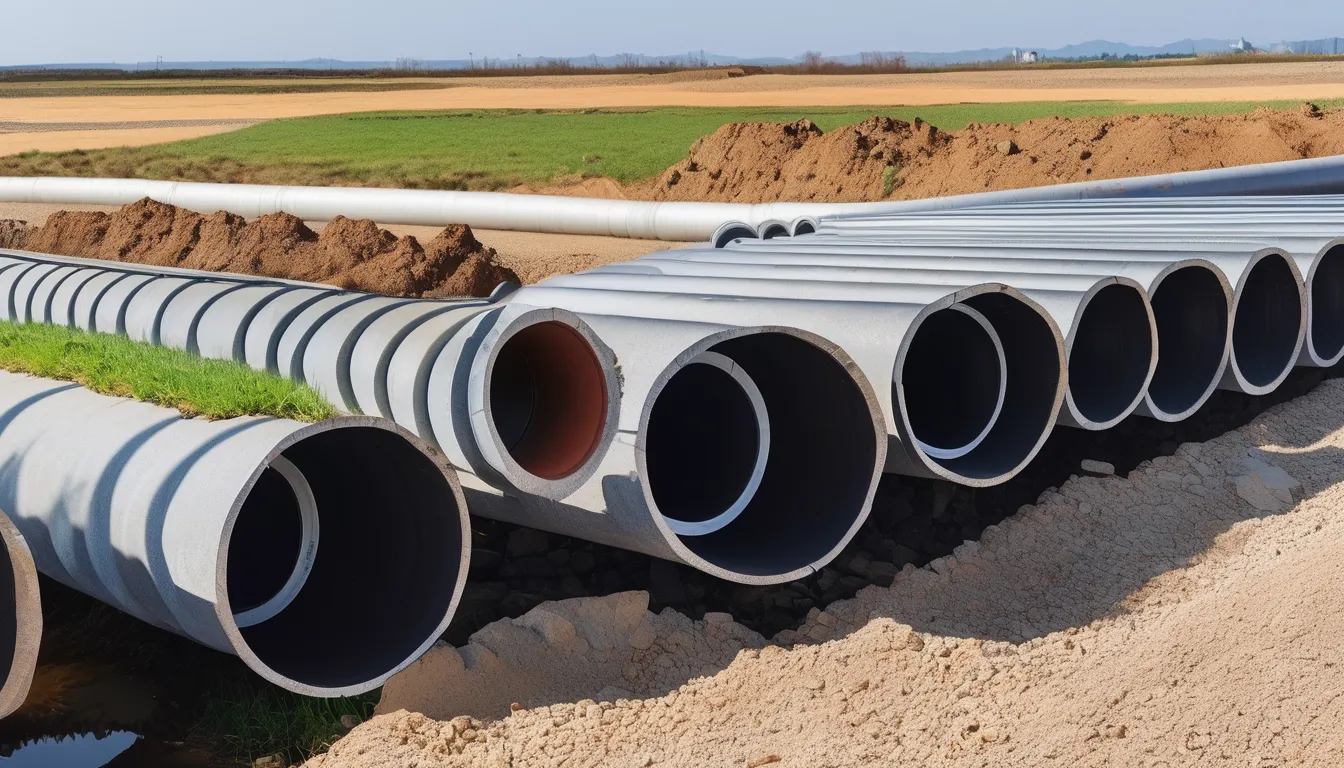
When you’re designing or installing a 排水管 岐阜県 system, it’s crucial you consider the pipe material’s impact on performance. The choice of material can significantly affect the system’s overall efficiency, lifespan, and functionality. You’ll want to weigh factors like strength, hydraulic efficiency, corrosion resistance, and chemical compatibility to ensure the pipes can withstand the demands of the application. But what are the specific implications of selecting the wrong material, and how can you make an informed decision? The answer lies in understanding the unique characteristics of various pipe materials and their effects on system performance.

Pipe Material Selection Factors

When selecting the right material for your drainage pipe, you’re considering several key factors. One of the most important factors is the pipe’s strength and durability.

You’re looking for a material that can withstand the pressure and flow rate of the water, as well as any external loads such as soil or traffic.

Another factor to consider is the pipe’s hydraulic performance, including its ability to convey water efficiently and minimize head losses.

You’re also thinking about the pipe’s compatibility with the surrounding environment and the type of fluid being transported.

For example, if you’re dealing with wastewater or stormwater, you’ll want a material that can resist abrasion and erosion.

Additionally, you’ll want to consider the pipe’s cost-effectiveness, including its initial cost, installation costs, and long-term maintenance requirements.

Corrosion Resistance in Pipes

One crucial aspect of pipe material selection is corrosion resistance. When choosing a pipe material for drainage systems, you’ll want to consider its ability to withstand corrosive substances and environmental factors. Corrosion can lead to pipe failure, contamination, and costly repairs.

To determine the corrosion resistance of different pipe materials, you can refer to the following table:

Pipe Material Corrosion Resistance
PVC High resistance to acidic and alkaline substances
Ductile Iron Coatings can provide resistance to corrosion, but may degrade over time
Concrete Susceptible to acid attack and sulfate resistance issues
Steel Prone to corrosion, especially in high-saline or acidic environments
Fiberglass High resistance to corrosion, suitable for harsh chemical environments

When evaluating pipe materials, consider the specific conditions they’ll be exposed to. For instance, if your drainage system will be handling acidic wastewater, you may want to opt for PVC or fiberglass pipes, which offer high corrosion resistance. By selecting the right pipe material, you can minimize the risk of corrosion and ensure the longevity of your drainage system.

Effects of Pipe Material Abrasion

How does the constant flow of abrasive materials affect your drainage pipes? You’ll notice that the pipe’s inner surface wears down over time, leading to a reduction in its diameter and a subsequent increase in friction.

This, in turn, causes the flow rate to decrease and the pressure to build up. As a result, your drainage system becomes less efficient and more prone to clogging.

The type of pipe material you use plays a significant role in determining its resistance to abrasion. For instance, pipes made from ductile iron, steel, or concrete are more susceptible to wear and tear due to their rough surfaces and rigid structures.

On the other hand, pipes made from smooth, flexible materials like HDPE (high-density polyethylene) or PVC (polyvinyl chloride) are generally more resistant to abrasion. When choosing a pipe material, you should consider the type of abrasive materials that will be flowing through it and select a material that can withstand the wear and tear.

Pipe Material Chemical Compatibility

As you select a drainage pipe material, you must also consider its chemical compatibility with the substances that will flow through it.

This is crucial to prevent corrosion, degradation, or other damage that can lead to pipe failure. Different materials react differently to various chemicals, so it’s essential to assess the chemical properties of the substances that will flow through your drainage system.

For instance, if your drainage system will handle acids, you’ll want to choose a pipe material that’s resistant to acid corrosion, such as PVC or HDPE.

On the other hand, if your system will handle alkaline substances, you may want to opt for a material like concrete or ductile iron.

Additionally, consider the temperature and pressure of the substances, as these factors can also affect the chemical compatibility of the pipe material.

Material Impact on Pipe Lifespan

What’s the expected lifespan of your drainage pipe system, and how will the chosen material affect it? You’ll want to consider the durability and resistance of the material to various environmental factors, such as corrosion, abrasion, and extreme temperatures.

Different materials have distinct lifespans, and selecting the right one can significantly impact the overall performance of your drainage system.

For instance, pipes made from PVC (polyvinyl chloride) typically last around 25-40 years, while those made from ductile iron can last up to 100 years or more. On the other hand, pipes made from HDPE (high-density polyethylene) can last anywhere from 50-100 years, depending on the specific application and environmental conditions.

When choosing a material for your drainage pipe system, it’s essential to consider the expected lifespan and potential maintenance costs.

Conclusion

You’ve seen how pipe material significantly impacts drainage pipe part performance. When choosing a material, you must consider factors like strength, hydraulic efficiency, corrosion resistance, and chemical compatibility. Corrosion, abrasion, and chemical reactions can all reduce a pipe’s lifespan. By selecting the right material for your specific application, you can minimize degradation and ensure your drainage system functions as intended, lasting for years to come and performing optimally.