
The Aromatic Home Office Boosting Productivity With Scents

As you set up your home office, you’re likely considering the usual suspects: a comfortable chair, sufficient lighting, and a reliable computer. But have you thought about the often-overlooked sense of smell? Research suggests that certain scents can significantly impact your productivity, from enhancing focus to reducing stress. By incorporating the right aromas into your workspace, you can create an environment that boosts your mental clarity, energy, and overall performance. But which scents will have the greatest impact, and how can you effectively incorporate them into your office design?

The Science of Smell

As you walk into a familiar space, your brain is instantly triggered by the scents surrounding you. This phenomenon occurs due to the unique connection between your olfactory system and brain.

When you inhale, odor molecules travel up your nostrils and bind to specialized receptors on the surface of olfactory sensory neurons. These receptors send signals to your brain’s limbic system, which is responsible for processing emotions and memories.

The limbic system’s close proximity to the hippocampus, a key region for memory formation, explains why smells often evoke vivid memories and emotional responses. This is known as the Proust effect, named after French author Marcel Proust, who famously described the intense memories triggered by the smell of a madeleine cake in his novel ‘In Search of Lost Time’.

Your brain processes smells more quickly and intensely than visual or auditory cues, making scents a potent trigger for emotional and psychological responses. Understanding the science behind smell can help you harness its power to boost your productivity and create a more effective work environment. By selecting the right scents, you can influence your mood, focus, and overall well-being.

Essential Oils for Focus

The potent effects of scents on your brain’s processing make them an ideal tool to enhance focus. Certain essential oils are known to improve your concentration and mental clarity.

Peppermint oil, for example, has been shown to increase alertness and focus by stimulating the brain’s limbic system. You can diffuse peppermint oil in your home office to create an environment that promotes mental acuity.

Another essential oil that can help you stay focused is lavender oil. While it’s often associated with relaxation, lavender oil can also have a calming effect on your mind, allowing you to concentrate on tasks without distractions.

You can use a combination of peppermint and lavender oils to create a balanced atmosphere that promotes focus and calmness.

Rosemary oil is also known for its ability to improve memory and cognitive function. When inhaled, rosemary oil can increase the production of neurotransmitters that help you process information and stay focused.

Boosting Energy With Scents

You’ve set up your home office to promote focus and mental clarity, but staying energized and motivated throughout the day is just as crucial.

To achieve this, you can harness the power of scents that boost energy. Peppermint oil, for example, is known for its invigorating properties.

It increases alertness and oxygen flow to the brain, helping you stay focused and energized. You can diffuse peppermint oil in your home office or apply it topically to your pulse points.

Other scents that can help boost energy include eucalyptus, rosemary, and citrus-based oils like lemon and grapefruit.

These oils have natural stimulating properties that can help increase your mental alertness and reduce fatigue. You can use them in a diffuser or add a few drops to your shower gel or soap for an energizing boost.

When choosing an essential oil to boost energy, remember to select high-quality https://www.rainaroma.ca/diffuse-chill-diffuser-oil that are pure and free of additives.

Also, be mindful of the concentration levels and use them in moderation to avoid overwhelming your senses.

Calming the Mind Aromas

Surrounded by a chaotic work environment, calming your mind is crucial for maintaining focus and productivity. You can’t control the external noise, but you can control the scents that influence your mental state.

Incorporating calming aromas into your workspace can help you relax and refocus.

Lavender is a well-known calming scent that can reduce anxiety and stress. You can use essential oils or scented candles to create a soothing atmosphere.

Bergamot is another calming scent that can help reduce anxiety and improve your mood. It also has a citrusy freshness that can uplift your spirits.

Sandalwood is a grounding scent that can promote relaxation and calmness. It’s a great option if you’re feeling overwhelmed or stressed.

When using calming mind aromas, it’s essential to remember that everyone’s preferences are different.

Experiment with various scents to find what works best for you. You can also combine different scents to create a unique blend that promotes calmness and focus.

Incorporating Scents in Design

Incorporating scents into your workspace design can be a simple yet effective way to boost productivity. You can start by selecting scented elements that fit your work style and preferences.

Consider using essential oils or scented candles, which come in a variety of fragrances and can be easily integrated into your workspace. If you prefer a more subtle approach, you can opt for scented diffusers or room sprays.

When choosing scented elements, consider the layout of your workspace and the flow of air. Place scented candles or diffusers in areas where you spend most of your time, such as your desk or reading nook.

You can also use scented plants, like lavender or peppermint, which not only purify the air but also add a touch of nature to your workspace.

To maximize the benefits of scents in your workspace, experiment with different fragrances and concentrations. You may find that certain scents work better for you at specific times of the day or when working on specific tasks.

Conclusion

You’ve discovered the power of scents in boosting your home office productivity. By incorporating essential oils, scented candles, or plants, you can create a workspace that enhances your mood, energy, and focus. Experiment with different fragrances to find what works best for you. Place them strategically in areas where you spend the most time. With a little trial and error, you’ll be on your way to a more productive and efficient work environment.

Elevate Your Home s Resilience Spade Roofing   Gutters Solutions Explained

As you consider ways to boost your home’s resilience against harsh weather conditions, you’re likely to come across spade roofing and gutters solutions. These systems offer a watertight seal and efficient water shedding, but it’s essential to understand their components and benefits to make an informed decision. By choosing the right materials and gutters, you can significantly reduce the risk of water damage and ensure your home’s foundation remains stable. But what sets spade roofing apart, and how do you select the perfect gutters for your home – we’ll explore these questions and more.

Benefits of Spade Roofing Systems

When considering a new roofing system, you’re likely weighing the pros and cons of various options. Spade roofing systems have gained popularity in recent years due to their numerous benefits.

One of the primary advantages of spade roofing is its ability to shed water efficiently, reducing the risk of leaks and water damage. This is achieved through its unique design, which features a slight curve that allows water to run off easily.

Another benefit of spade roofing is its durability. Made from high-quality materials, these systems can withstand harsh weather conditions, including heavy rainfall, strong winds, and extreme temperatures.

This means that you can enjoy a long-lasting roofing solution that requires minimal maintenance. Additionally, spade roofing systems are energy-efficient, helping to reduce heat gain during the summer and heat loss during the winter.

This can lead to significant savings on your energy bills. Overall, spade roofing systems offer a reliable, efficient, and cost-effective solution Spade Roofing in Hutto TX homeowners.

Choosing the Right Gutters

As you’re finalizing your spade roofing system, it’s time to consider the gutters that will complement it. Choosing the right gutters is crucial to ensure the effectiveness of your spade roofing system.

You’ll want to select gutters that can handle the water flow from your roof and direct it away from your home’s foundation.

When selecting gutters, consider the material, size, and style that suits your home’s design and climate. Seamless gutters are a popular choice as they’re less prone to leaks and can be made to fit your home’s specific dimensions.

Vinyl, aluminum, and steel are common materials used for gutters. Vinyl is a cost-effective option, while aluminum and steel offer more durability.

You’ll also need to consider the gutter’s capacity to handle heavy rainfall and the type of downspout that will be used to direct water away from your home.

A well-designed gutter system can help prevent damage to your home’s foundation, walls, and landscaping. By choosing the right gutters, you’ll be able to complete your spade roofing system and enjoy a more resilient home.

Spade Roofing Materials Explained

You’re likely to encounter various materials while installing or replacing your spade roofing system. The most common materials used for spade roofing are asphalt shingles, metal, slate, and clay or concrete tiles.

Asphalt shingles are the most affordable option and come in a range of colors and textures. They’re also easy to install and repair.

Metal roofing is another popular choice, known for its durability and resistance to weathering. It’s available in different materials, including aluminum, steel, and copper, each with its own set of benefits.

Slate and clay or concrete tiles are more expensive options, but they offer a unique, premium look and can last for decades with proper maintenance.

When choosing a material, consider factors such as climate, budget, and personal style. For example, if you live in an area with heavy rainfall, metal or asphalt shingles might be a better choice.

On the other hand, if you’re looking for a luxurious look, slate or clay tiles could be the way to go. Ultimately, the right material will depend on your specific needs and preferences.

Researching the pros and cons of each material will help you make an informed decision.

Spade Roofing Installation Process

The spade roofing installation process involves several key steps that must be carefully executed to ensure a watertight seal and long-lasting performance. You’ll start by preparing the roof deck, ensuring it’s clean, dry, and free of debris.

Next, you’ll install underlayment material to provide an extra layer of protection against water and weathering.

Once the underlayment is in place, you can begin installing the spade roofing material. This typically involves overlapping the panels to create a watertight seal, and securing them with fasteners.

You’ll need to ensure that the panels are properly aligned and spaced to prevent water from accumulating and seeping underneath.

As you work your way up the roof, you’ll need to install flashing around chimneys, vents, and other roof penetrations to prevent water from entering the home.

You’ll also need to ensure that the spade roofing material is properly secured along the edges and at the ridge, where the two slopes of the roof meet.

Maintenance and Repair Tips

Maintaining your spade roof is crucial in extending its lifespan and preventing costly repairs down the line.

By regularly checking and addressing potential issues, you’ll save time and money in the long run.

To keep your spade roof in top condition, follow these maintenance and repair tips:

  1. Schedule regular inspections: Check your roof at least twice a year, once in the spring and once in the fall, to identify and fix any potential issues.
  2. Clean your gutters and downspouts: Remove debris and leaves from your gutters and downspouts to ensure proper water flow and prevent damage to your roof.
  3. Seal gaps and cracks: Inspect your roof for any gaps or cracks and seal them immediately to prevent water damage and leaks.
  4. Trim nearby trees and shrubs: Keep nearby trees and shrubs trimmed to prevent branches from rubbing against your roof and causing damage.

Conclusion

You’ve learned how spade roofing and gutters solutions can elevate your home’s resilience. By choosing the right materials and gutters, you’ll enjoy a watertight seal and efficient water shedding. Regular maintenance is key to a long-lasting system. With a well-designed spade roofing system, you’ll be protected from harsh weather conditions. Stay on top of repairs and inspections to ensure your home remains safe and secure for years to come.

Ultimate Guide: CNC Knife Cutting Machine – Revolutionize Your Digital Cutting Projects

Understanding the nuances of CNC knife cutting machines is crucial for professionals and hobbyists looking to optimize their digital cutting projects. These machines have revolutionized the way materials can be processed, offering precise cutting that enhances productivity and reduces waste. In this guide, we will explore the technical aspects of CNC knife cutting technology, delve into its various applications across industries, and provide insights into choosing the right machine for specific needs. By the end of this article, readers will gain a comprehensive understanding of how CNC knife cutters work and the potential they hold in transforming traditional cutting methods into highly efficient operations.

What is a CNC Knife Cutting Machine and How Does It Work?

A CNC knife cutting machine is a computer-controlled device designed to cut materials with precision using a blade. It operates by following a pre-determined path set by CAD software, which translates digital designs into physical cuts. The machine employs various types of blades, including drag, oscillating, or rotary, depending on the material and the cutting requirements. This technology allows for precise cutting operations in a variety of materials, such as textiles, cardboard, rubber, and leather, minimizing material waste and enhancing repeatability in production.

Understanding the Basics of CNC Technology

At its core, CNC (Computer Numerical Control) technology involves the use of computers to automate control of machine tools, leading to precise manufacturing of components. In CNC systems, a computer is utilized to execute a series of pre-programmed tasks and movements through software. This technology is characterized by its ability to control complex machinery with high degrees of precision and repeatability, which is essential for industries demanding accurate and customized solutions. Furthermore, CNC technology allows for automation in the production process, reducing errors and increasing efficiency.

Components of a CNC Knife Cutting Machine

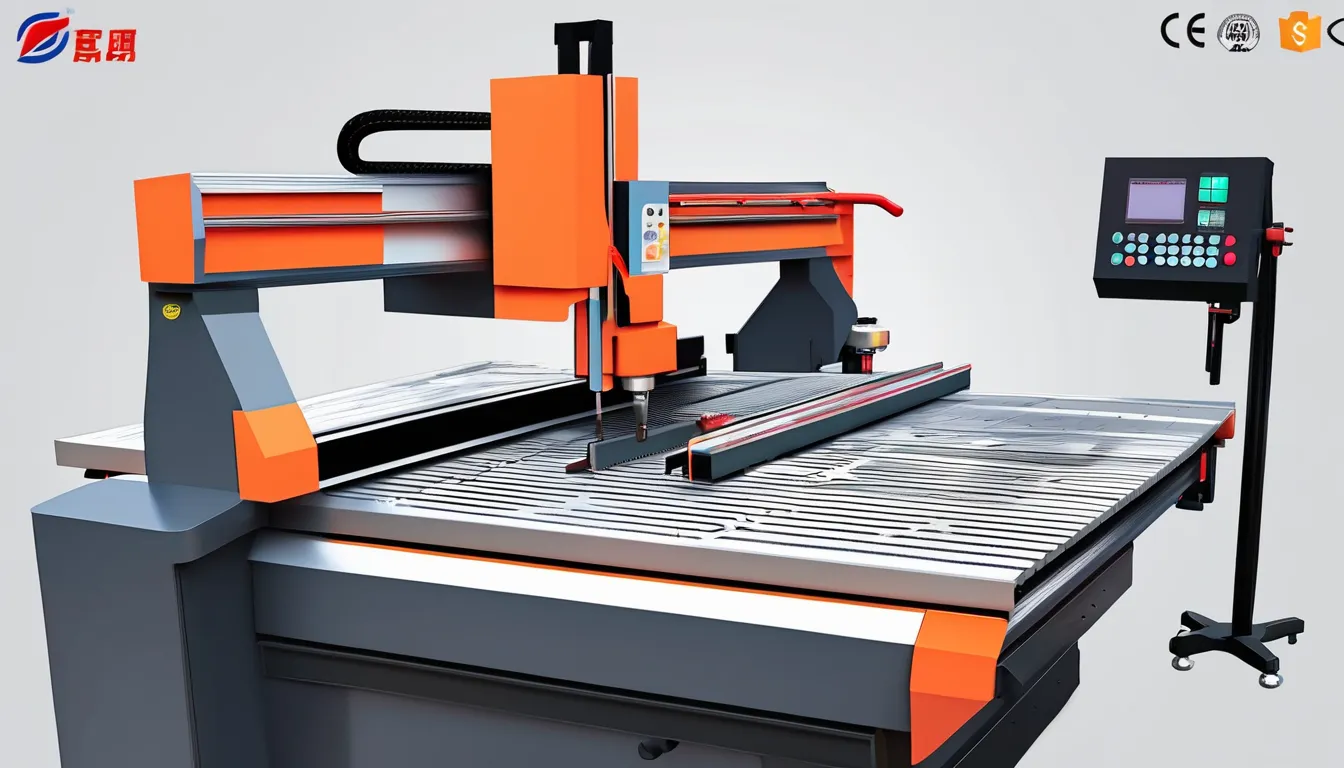
A CNC knife cutting machine consists of several key components that work in harmony to achieve precise cutting. These include the machine bed, where the material is placed for cutting operations, and the gantry, which houses the cutting head. The cutting head includes the blade, which may vary in type depending on the material being cut. Other crucial components include the drive motors and motion controls, which enable precise movements of the cutting head. The control unit, often linked with CAD software, acts as the brain of the machine, translating digital designs into mechanical movements. Additionally, safety features and sensors are integrated to ensure safe operation and prevent damage to the machine and materials.

The Cutting Process Explained

The cutting process in a CNC knife cutting machine begins with the digital design phase, where a CAD model is created or imported. The software then generates a toolpath, which dictates how the cutting head will move along the material. Once the design is finalized, the machine follows this toolpath to execute the cuts with the designated blade. Depending on the type of blade used—be it drag, oscillating, or rotary—the cutting head applies the necessary force and speed to effectively cut through the material. The process can accommodate a wide range of materials, and the automation provided by CNC technology ensures that cuts are highly precise, consistent, and efficient, significantly reducing material wastage and improving overall throughput in production environments.

What Materials Can You Cut with a CNC Knife Cutting Machine?

Suitable Materials for Knife Cutting

CNC knife cutting machines are renowned for their versatility when it comes to handling a diverse range of materials. Typical materials suitable for knife cutting include textiles, leather, rubber, foam, cardboard, paper, and various types of plastics. The machine's ability to adjust the blade type and cutting speed allows for efficient processing of these materials without generating heat, which is particularly advantageous for heat-sensitive substances. This feature makes CNC knife cutting ideal for industries such as automotive, fashion, packaging, and signage, where precision and material preservation are paramount.

Comparing Knife Cutting to Laser Cutting

When comparing knife cutting to laser cutting, there are distinct differences in capability and suitability for different materials. Knife cutting does not produce any burned edges, making it preferable for materials that are affected by heat, such as textiles and plastics. In contrast, laser cutting provides exceptionally precise cuts with intricate details and is often used on metals, wood, and acrylics, which can withstand the heat generated by the laser. One key advantage of knife cutting is its ability to cut soft and flexible materials cleanly, which laser cutting may struggle with or could potentially damage. Both methods have their unique applications, and the choice between them typically depends on the material properties and the specific requirements of the project.

Limitations and Challenges

While CNC knife cutting machines offer numerous advantages, they also present some limitations and challenges. These machines may struggle with rigid or very thick materials, where the cutting depth and pressure required are beyond the knife's capabilities. Additionally, maintaining a sharp and clean edge on the blade is crucial; dull blades can lead to imprecise cuts and increased wear and tear on the machine. Furthermore, although the technology automates much of the cutting process, there is still a need for skilled operators to manage the setup, ongoing adjustments, and maintenance. Ensuring precise control over the machine and avoiding material misplacement during operation also remain challenges that require constant vigilance.

How to Choose the Right CNC Knife Cutting Machine for Your Needs?

Key Features to Consider

When selecting a CNC knife cutting machine, it is crucial to consider the key features that align with your specific needs. One important feature is the cutting speed, which affects overall productivity and efficiency. Additionally, the cutting accuracy and precision are vital for achieving desired outcomes with intricate designs. Other essential features include the compatibility of the machine with various materials and the ease of integration with existing software systems. Furthermore, the machine's durability and ease of maintenance can significantly influence long-term operational costs and downtime.

Comparing Oscillating and Tangential Knife Cutters

Understanding the differences between oscillating and tangential knife cutters is vital for ensuring the machine meets the functional needs of your projects. Oscillating knife cutters are highly suitable for cutting soft, pliable materials with precision, as the blade moves in a rapid up-and-down motion to slice through the material. They are particularly effective for textiles, foam, and similar materials. In contrast, tangential knife cutters are better suited for more rigid materials as they offer greater control; the blade rotates to maintain an optimal cutting angle, which enhances accuracy and edge quality. Consider your material types and requirements to determine the most suitable choice.

Budget Considerations and ROI

Investing in a CNC knife cutting machine requires careful financial planning, with budget considerations extending beyond the initial purchase price. Factors like maintenance costs, energy consumption, and potential downtime expenses should be incorporated into the financial assessment. Calculating the machine's return on investment (ROI) is essential, as it will help determine the payback period and long-term financial benefits. Examine projected increases in production efficiency, reduced labor costs, and the potential for new business opportunities to get a comprehensive outlook on the ROI. Balancing cost-effectiveness with desired features and capabilities will guide a sound investment decision.

What Are the Advantages of Using a CNC Knife Cutting Machine?

Precision and Accuracy in Cutting

The deployment of CNC knife cutting machines significantly enhances precision and accuracy in cutting operations. These machines are programmed to execute exact cutting patterns with minimal deviation, ensuring uniformity across batches. Advanced software integration allows Dekcel intricate designs and detailed cuts, reducing material wastage and enhancing the quality of finished products. Accurate cutting not only results in superior edge quality but also minimizes the need for post-processing adjustments.

Versatility in Materials and Projects

One of the foremost advantages of CNC knife cutting machines is their versatile application across a variety of materials. These machines are engineered to accommodate a wide range of substrates, from soft textiles to rigid composites. This versatility enables manufacturers to expand their project capabilities without the need for multiple specialized machines. The adaptability in handling different material types facilitates a diverse set of applications, thus widening the scope of project design and execution.

Increased Productivity and Efficiency

Incorporating CNC knife cutting machines into production lines markedly boosts productivity and operational efficiency. By automating the cutting process, these machines decrease manual labor requirements and significantly reduce cycle times. The precision offered by CNC machines minimizes errors and rework, allowing for smoother workflow continuity. This results in higher throughput and consistent output quality, ultimately enhancing overall production efficacy and contributing to competitive advantage in industrial settings.

How to Set Up and Operate a CNC Knife Cutting Machine?

Installation and Initial Setup

The installation and initial setup of a CNC knife cutting machine are critical steps that ensure optimal performance and efficiency. Begin by selecting an appropriate location that provides stable support and adequate ventilation for the machine. Ensure the work area is free of any obstructions and provides sufficient space for material loading and unloading. Once positioned, secure the machine by following the manufacturer’s guidelines, which may include bolting it to the floor or using specialized mounts. Connect the machine to a compatible power source and verify all electrical and mechanical systems are functional. It is essential to conduct a thorough inspection to ensure all components are correctly aligned and calibrated before commencing operation.

Software and Design Preparation

Effective software and design preparation are pivotal to maximizing the capabilities of a CNC knife cutting machine. Start by selecting a CAD (Computer-Aided Design) program that is compatible with the machine's control software. Create or import design files, ensuring they adhere to the desired specifications and dimensions. Pay special attention to the compatibility between the design format and the cutting software to prevent errors during the transfer process. Familiarize yourself with the machine's software interface and functionality, as this facilitates customized adjustments and enhances precision during the cutting process.

Optimizing Cutting Speed and Quality

Optimizing cutting speed and quality involves carefully adjusting machine settings to balance efficiency with precision. Begin by evaluating the material type and thickness, which directly influence the appropriate cutting speed and tool pressure. Implement settings that minimize vibrations and maintain a consistent feed rate, thereby preventing defects such as dragging or fraying. Regularly monitor tool wear and replace blades as needed to ensure a consistently high-quality edge finish. Fine-tuning these parameters not only extends the life of the cutting tools but also enhances the overall production quality, resulting in superior finished products.

What Are Some Common Applications and Projects for CNC Knife Cutting Machines?

Industrial and Commercial Uses

CNC knife cutting machines are extensively utilized in the industrial and commercial sectors for their precision and efficiency. They are prevalent in the manufacturing of automotive interiors, where they produce accurate cuts on materials like leather and textiles for upholstery and trims. Additionally, these machines are used in the garment industry, enabling mass production of fabric patterns with minimal waste. Packaging companies also benefit from CNC knife cutting technology for creating custom-made boxes and inserts that fit specific product dimensions, ensuring optimal protection during transport and display.

Creative and Artistic Applications

In the creative and artistic realms, CNC knife cutting machines offer artists and designers new dimensions of expression. These machines are invaluable for crafting intricate designs in paper cutting, enabling artists to create complex patterns and sculptures with precision and reproducibility. In the signage industry, they allow for the cutting of various materials like foam boards and vinyl, facilitating the production of custom logos and eye-catching decals. Furthermore, architectural model makers use CNC cutting technology to create detailed scale models, aiding in visualization and presentation of architectural concepts.

DIY and Home-Based Projects

For DIY enthusiasts and home-based projects, CNC knife cutting machines democratize fabrication by offering precision tools that were once only available to large manufacturers. Hobbyists can use these machines to create personalized home decor items, such as custom wall art or decorative pillows with intricate patterns. They are also useful for creating bespoke kitchen accessories like placemats and coasters. Moreover, educators and crafters can utilize these tools to produce educational materials and creative projects, making them a versatile addition to any home workshop.

How to Maintain and Troubleshoot Your CNC Knife Cutting Machine?

Regular Maintenance Tips

To ensure optimal performance and longevity of your CNC knife cutting machine, it is essential to incorporate a regular maintenance routine. Begin by routinely inspecting the machine's components, such as the cutting blades and drive mechanisms, for signs of wear or damage. Lubricate moving parts according to the manufacturer's guidelines to prevent friction and mechanical wear. Additionally, keep the work area and the cutting bed clean of debris and dust, which can affect precision and cause malfunctions. Regularly update the machine's software and firmware to the latest versions to ensure compatibility and performance improvements.

Common Issues and Solutions

Operators may encounter several common issues with CNC knife cutting machines, such as incorrect cutting depths, jagged edges, or motor stalling. Incorrect cutting depths are often due to miscalibration, which can be resolved by recalibrating the machine settings. Jagged edges or irregular cuts typically result from dull blades, requiring sharpening or replacement. Motor stalling may occur due to electrical faults or overheating; check the power supply and ensure proper ventilation around the machine. Regular diagnostics can help identify and quickly rectify these problems, preventing downtime.

When to Seek Professional Assistance

While many issues can be addressed through regular upkeep and minor adjustments, certain problems necessitate professional intervention. Persistent electrical malfunctions, significant mechanical damage, or any issues involving complex software errors should be addressed by certified technicians. Additionally, if you notice unusual noise or vibrations during operation that do not resolve with routine maintenance, it is advisable to consult a professional. Timely intervention by experts can prevent further damage and ensure that your machine operates safely and efficiently.

Playing With Shapes Geometric Marble Designs

When you think of marble, you might envision classic, elegant designs, but geometric marble designs are pushing the boundaries of this timeless material. You’re probably familiar with chevrons and hexagons, but what happens when these patterns are combined with innovative techniques like pattern repeat, negative space, and cutting methods? The possibilities are endless, and the results can be truly striking. As you explore the world of geometric marble designs, you’ll discover how different shapes, scales, proportions, and colors come together to create unique effects – and you’ll likely wonder, what are the key elements that make these designs truly unforgettable?

Geometric Patterns in Marble

Many geometric patterns found in marble have been a staple of architecture and design for centuries. You’ll find intricate patterns such as chevrons, hexagons, and mosaics adorning the floors and walls of ancient buildings and temples. These patterns aren’t just aesthetically pleasing; they also serve as a testament to the ingenuity and craftsmanship of the people who created them.

As you explore the world of marble design, you’ll notice that geometric patterns can add a touch of elegance and sophistication to any space.

From the intricate inlays of Italian Renaissance architecture to the bold, colorful patterns of Middle Eastern design, marble has been used to create stunning visual effects that continue to inspire architects and designers today.

When working with marble, you can use geometric patterns to create a sense of movement and energy in a room.

By combining different shapes and colors, you can create a unique and captivating visual effect that draws the eye and engages the senses.

Whether you’re designing a sleek, modern interior or a classic, traditional space, geometric patterns in marble can add a level of depth and complexity that elevates your design to the next level.

Marble Design Techniques

Marble Design Techniques

Several key techniques can be employed to create stunning geometric marble designs. By understanding and mastering these techniques, you can unlock a world of creative possibilities and bring your designs to life. One of the most essential techniques is the use of a pattern repeat, where a design element is repeated to create a cohesive look.

Another technique is the use of negative space, where the absence of design elements creates a visually striking effect. You can also experiment with different cutting techniques, such as veining or bookmatching, to add depth and visual interest to your designs.

Technique Description Effect
Pattern Repeat Repeating a design element to create a cohesive look Creates a sense of unity and harmony
Negative Space Using the absence of design elements to create a striking effect Adds visual interest and creates a sense of balance
Cutting Techniques Using veining or bookmatching to add depth and visual interest Creates a unique and visually striking effect

Shapes and Marble Colors

When creating geometric marble designs, you’ll often find yourself selecting shapes and colors that work harmoniously together to achieve the desired aesthetic. The shape of your marbles can greatly impact the overall look of your design.

You may choose classic spherical marbles or opt for more unique shapes, such as cylindrical or faceted marbles. Each shape brings its own visual interest to your design.

In addition to selecting shapes, you’ll also need to choose colors that complement your design. Marble colors can range from subtle, muted tones to bright, bold hues.

You may choose a single color or mix and match multiple colors to create a unique look. Consider the emotions and moods you want to evoke with your design. Cool colors like blues and greens can create a calming atmosphere, while warm colors like oranges and reds can add energy and excitement.

When combining shapes and colors, think about how they interact with each other. Do the colors clash or complement the shapes? Experimenting with different combinations can help you find the perfect balance grey marble tables your design.

Creating Geometric Marble Art

As you begin creating your geometric marble design, start by envisioning the overall composition and layout.

Consider the shapes you want to use and how they’ll interact with each other. Think about the scale, proportion, and balance of your design.

You can sketch out ideas on paper or use a digital tool to get a better sense of the layout.

When it comes to creating your design, there are a few key things to keep in mind:

  1. Start with a focal point: Choose a central shape or element that will draw the viewer’s eye into the design.
  2. Use repetition and variation: Repeat shapes and patterns to create a sense of rhythm and unity, but vary them slightly to add visual interest.
  3. Play with negative space: Don’t be afraid to leave some empty space in your design – it can help create a sense of breathability and balance.

Marble Geometric Design Trends

With an endless array of patterns and styles, geometric marble designs have become increasingly popular in recent years. You’ve probably seen them in interior design, jewelry, or even on wallpaper.

As you explore the world of geometric marble designs, you’ll notice several trends that are currently dominating the scene.

One of the most popular trends is the use of bold, contrasting colors to create striking patterns. You’ll see black and white marbles paired with bright, bold hues like red, blue, or yellow. These designs add a pop of color to any space and can instantly elevate the aesthetic.

You’ll also notice a trend towards minimalist geometric designs. Simple shapes like triangles, hexagons, and chevrons are being used to create clean, modern patterns. These designs are perfect for those who prefer a more understated look.

Another trend is the incorporation of metallic colors into geometric marble designs. Gold, silver, and copper accents add a touch of luxury and sophistication to these patterns. As you experiment with different geometric marble designs, you’ll find that there’s a trend to suit every style and taste.

Conclusion

You’ve explored the world of geometric marble designs, where patterns, techniques, shapes, and colors blend to create stunning art. By combining chevrons, hexagons, and mosaics with techniques like pattern repeat and negative space, you’ve learned to create unique effects. Balance shapes, scale, and proportion to craft bold, contrasting patterns or minimalist designs. Now, you’re ready to experiment and create your own geometric marble art that suits your style and taste, pushing the boundaries of this timeless design trend.

Maximizing Returns Tips for Successful Staking With Stakestone

When it comes to staking with Stakestone, you’re not just betting on your assets – you’re making a calculated investment decision. To get the most out of your staking strategy, you need to choose the right assets, understand staking rewards, and manage risk effectively. But what sets successful stakers apart from those who struggle to break even? It all comes down to having a clear plan and the right tools at your disposal. By understanding what drives returns and how to optimize your strategy, you can significantly boost your earnings. But where do you start?

Choosing the Right Assets

When exploring the world of staking with Stakestone, it’s crucial to start by choosing the right assets. You’ll need to select assets that align with your investment goals and risk tolerance.

Take the time to research each asset’s market trends, volatility, and potential for growth. Consider factors like the asset’s use case, adoption rate, and overall market demand.

You should also evaluate the asset’s staking requirements, such as the minimum staking amount, lock-up period, and staking frequency.

Some assets may require a larger upfront investment or a longer lock-up period, which can impact your liquidity. Additionally, consider the asset’s staking mechanism, such as proof-of-stake (PoS) or delegated proof-of-stake (DPoS). Each mechanism has its own set of rules and requirements.

Understanding Staking Rewards

How do you maximize your returns through staking rewards with Stakestone? To do this, you need to understand the rewards system and how it works.

Stakestone’s staking rewards are designed to incentivize users to participate in the validation process, which helps to secure the network and verify transactions.

Here are three key things to know about staking rewards with Stakestone:

  1. Reward rates: Stakestone’s reward rates vary depending on the asset being staked and the duration of the stake. Generally, longer stakes and less popular assets offer higher reward rates to encourage participation.
  2. Reward distribution: Rewards are distributed periodically, typically every epoch or block. You can track your rewards in real-time through Stakestone’s dashboard or mobile app.
  3. Compound interest: Stakestone allows you to compound your rewards, which means you can earn interest on your interest. This can help your returns grow exponentially over time, making staking a more lucrative option.

Managing Risk Effectively

Staking with Stakestone can be a lucrative way to earn rewards, but it’s not without risks. As you stake your assets, you’re essentially locking them up for a period of time, which can leave you vulnerable to market fluctuations.

To manage this risk effectively, you need to set a clear staking strategy based on your investment goals and risk tolerance.

You should also diversify your staking portfolio to minimize exposure to any one particular asset. This can help you spread out the risk and increase the potential for long-term returns.

Additionally, consider staking a portion of your assets rather than all of them, to ensure you have a cash reserve in case of unexpected market downturns.

Regularly reviewing and adjusting your staking portfolio is crucial to managing risk effectively.

Keep an eye on market trends and be prepared to rebalance your portfolio as needed. By being proactive and adaptable, you can minimize potential losses and maximize your returns with Stakestone.

Staying Ahead of Trends

By staying informed about market trends, you’ll be better equipped to make in StakeStone med decisions about your staking strategy.

This involves monitoring industry news, following market analysis, and staying up-to-date with the latest developments in the staking space.

Staying ahead of trends can help you identify opportunities and potential risks, allowing you to adjust your staking strategy accordingly.

Here are three ways to stay informed about market trends:

  1. Follow reputable sources: Keep an eye on news outlets and blogs that specialize in staking and cryptocurrency. This will help you stay informed about the latest developments and trends in the industry.
  2. Join online communities: Participate in online forums and social media groups where staking enthusiasts share their knowledge and insights. This can be a great way to learn from others and stay informed about market trends.
  3. Use analytics tools: Utilize analytics tools and platforms that provide insights into market trends and staking performance. This can help you make data-driven decisions and optimize your staking strategy.

Optimizing Staking Strategies

You’ve got a handle on staying informed about market trends, now it’s time to put that knowledge to work.

Optimizing your staking strategies is crucial for maximizing returns and staying competitive.

To start, you’ll want to diversify your staking portfolio by allocating your assets across different validators and networks.

This will help you manage risk and capitalize on opportunities.

Next, you’ll want to monitor your validators’ performance and adjust your staking strategy accordingly.

Keep an eye on metrics such as uptime, block production, and commission rates to ensure you’re getting the best possible returns.

You can also use staking analytics tools to gain deeper insights into your validators’ performance and identify areas for improvement.

Conclusion

You’ve learned the key elements for successful staking with Stakestone. By choosing the right assets, understanding staking rewards, managing risk, and staying ahead of trends, you’ll be well on your way to maximizing returns. Remember to regularly review your portfolio and adjust your strategy as needed. With a solid foundation and a proactive approach, you’ll be able to optimize your staking strategy and achieve long-term success with Stakestone.